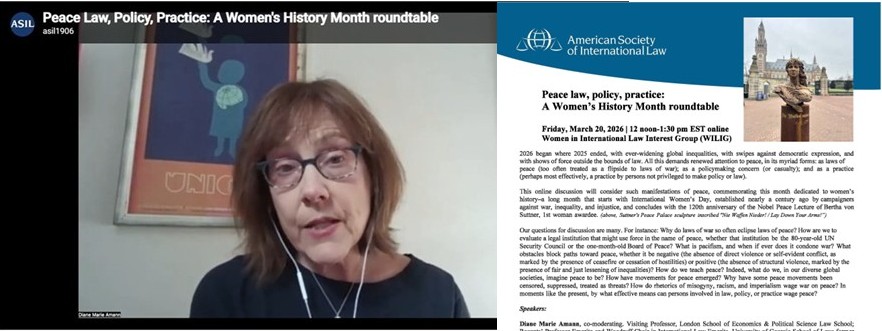
Amann served as co-organizer and co-moderator along with Jaya Ramji-Nogales, who is the Sheller Family Professor in Public Law at Temple Beasley School of Law. Also on the panel were Megan Donaldson, an Associate Professor at University College London Faculty of Laws; Annelise Riles, Professor of Law at Northwestern Pritzker School of Law; and Anna Spain Bradley, MacArthur Foundation Chair in International Justice & Human Rights and Faculty Director of the Promise Institute of Human Rights at UCLA School of Law.
Together, they explored a variety of issues related to peace. These included: imagining peace, as an ongoing, relational, community-grounded practice committed to ending both violence and its socioeconomic causes; histories of peace movements and the challenges those movements have faced; foundations of peace law and the role of law in peace-building; and strategies for centering peace in the present moment. A video of the event is available here.
Amann is Regents’ Professor Emerita and Emily & Ernest Woodruff Chair in International Law Emerita at Georgia Law, and served for many years as a Faculty Co-Director of our Dean Rusk International Law Center. She is currently a Visiting Professor at the London School of Economics and Political Science Law School.
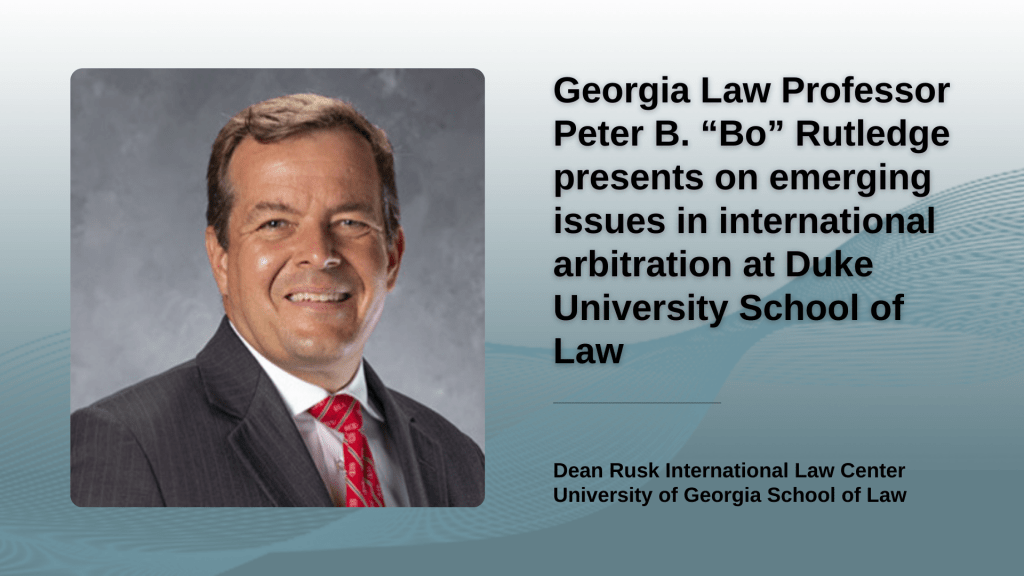
University of Georgia School of Law Professor Peter B. “Bo” Rutledge presented “NextEra: The ‘Next Era’ of the Chromalloy Conundrum” as part of the Conference on Emerging Issues in International Arbitration at the Duke University School of Law during February.
Peter B. “Bo” Rutledge holds the Talmadge Chair of Law. From 2015 through 2024, he served as dean of the University of Georgia School of Law. He is the author of the book Arbitration and the Constitution and co-author with Gary Born of the book International Civil Litigation in United States Courts. His works have been published by the Yale University Press, the Oxford University Press and the Cambridge University Press, and his articles have appeared in a diverse array of journals such as The University of Chicago Law Review, the Vanderbilt Law Review and the Journal of International Arbitration. He also regularly advises parties on matters of international dispute resolution (litigation and arbitration).
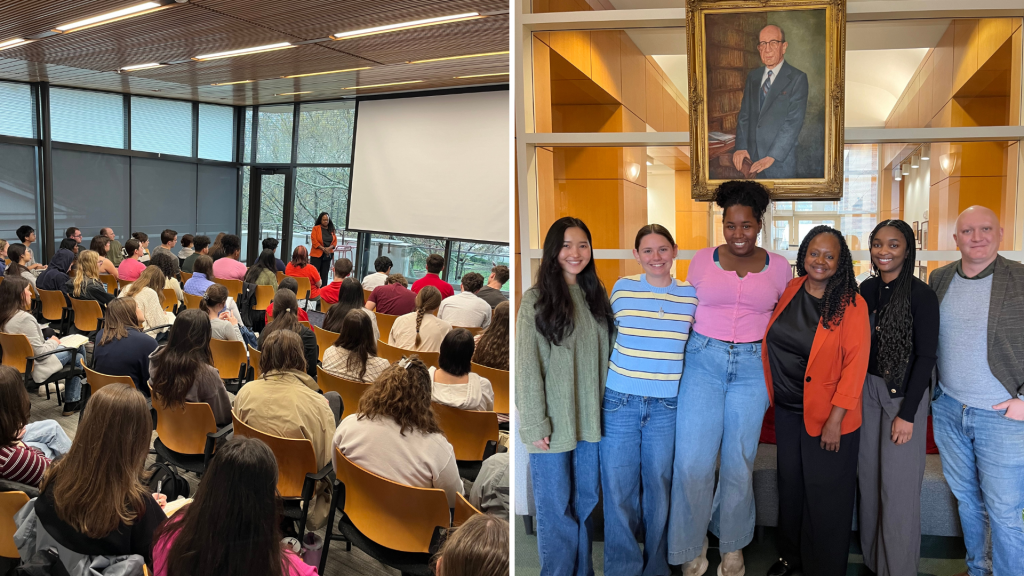
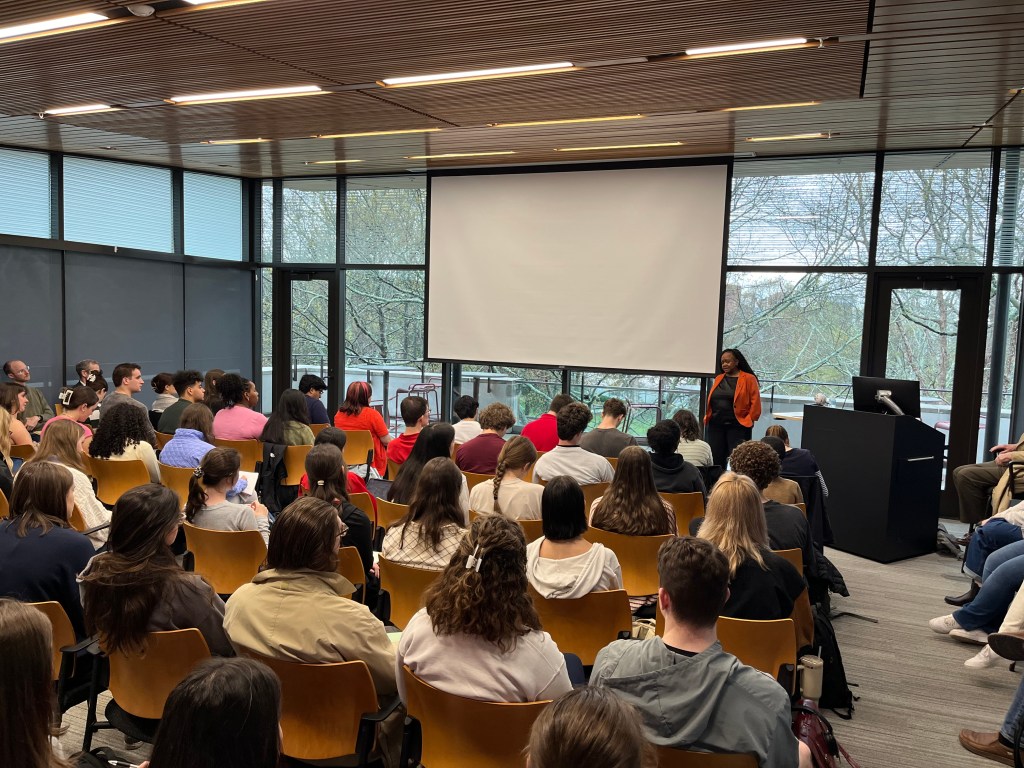
The University of Georgia’s Benson-Bertsch Center for International Trade & Security hosted Ambassador Bonnie Jenkins this week as part of their ongoing Global Decisions Series. Ambassador Jenkins presented a talk entitled “The Erosion of Arms Control, Multilateralism, and the Rule of Law”, where she discussed the role of norms and international law in upholding and rebuilding the global world order.
Two Georgia Law students, Patrick Clarke (J.D. ’28) and Madisson Grant (J.D. ’28), met with Ambassador Jenkins at a lunch hosted by the Dean Rusk International Law Center following the talk. Three UGA undergraduates who are current fellows in the Richard B. Russell Security Leadership program—Emily Hwang, Claire Scafidi, and Abby Wright—participated in the lunch as well. The students spoke with Ambassador Jenkins about her career in public service and their interests in international affairs and international law.
Ambassador Bonnie Jenkins served as the Under Secretary of State for Arms Control and International Security Affairs from 2021-2024, during which time she was appointed to lead the Department of State’s implementation of AUKUS, a trilateral security partnership among Australia, the UK, and the US. She is currently the Shapiro Visiting Professor in International Affairs at George Washington University and the Compton Visiting Professor of World Politics at the University of Virginia. Ambassador Jenkins is the founder and Executive Director of WCAPS (Women of Color Advancing Peace, Security, and Conflict Transformation). She served in the US military for 22 years as a Staff Sargent in the Office of the Judge Advocate General in the U.S. Air Force and as an Intelligence Officer in the U.S. Naval Reserve. She holds a PhD in International Relations from the University of Virginia, an LL.M. in international and comparative law from the Georgetown University Law Center, an MPA from SUNY Albany and a JD from Albany Law School.
Special thanks to Professor Maryann Gallagher, Director of the Security Leadership Program, and to Mandy Dixon, International Professional Education Manager at the Rusk Center, for their coordination and logistical support of this event.
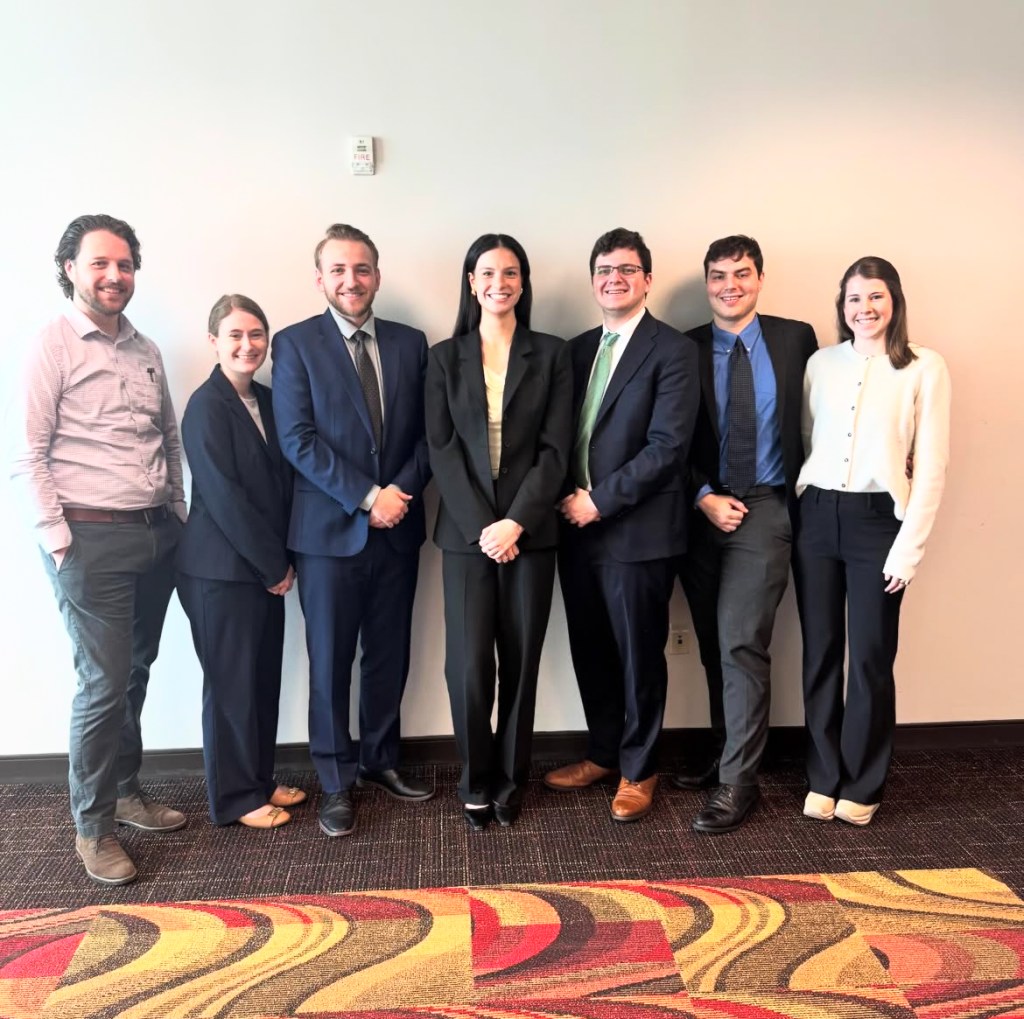
During the tournament, they competed with 91 other teams, and will now advance to the international tier of the competition in Washington, D.C. later this month. Georgia Law student Marion Kronauge (J.D. ’26) served as a student coach, while Caleb Grant (J.D. ’23) served as the alumni coach. Taher Benany, Associate Director of the Dean Rusk International Law Center, also served as a coach for the team.
The Jessup competition is the world’s largest moot court tournament that typically fields teams from roughly 700 law schools in 100 countries and jurisdictions around the globe. Georgia Law’s past performances in Jessup competitions can be found here.
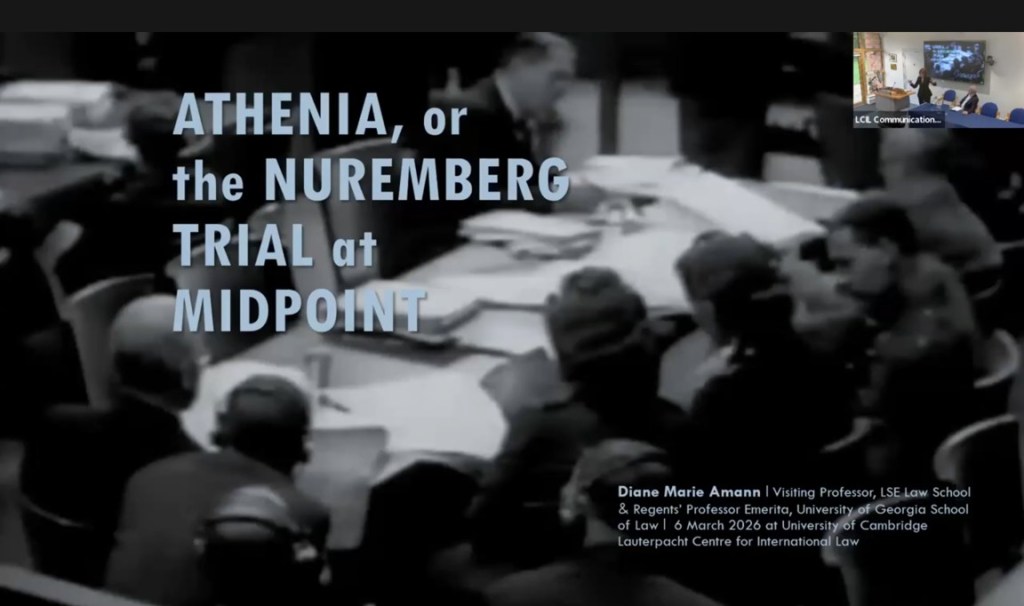
University of Georgia School of Law Professor Emerita Diane Marie Amann recently presented “Athenia, or the Nuremberg Trial at Midpoint” at the Lauterpacht Centre for International Law, University of Cambridge, United Kingdom.
Amann focused on events 80 years ago this spring, when the landmark Trial of Major War Criminals before the International Military Tribunal was at its halfway point. The British prosecution team’s evidence against German naval officers, as well as certain witnesses called by the French and Soviet prosecution teams, were featured.
Lauterpacht Centre Fellow John Barker chaired the lunchtime lecture, which may be viewed on YouTube or listened to via Spotify, Apple, and Captivate podcasts.
Amann, who is Regents’ Professor Emerita and Emily & Ernest Woodruff Chair in International Law Emerita at Georgia Law, served for many years as a Faculty Co-Director of our Dean Rusk International Law Center. She is writing a book on lawyers and other women professionals at the first Nuremberg trial.
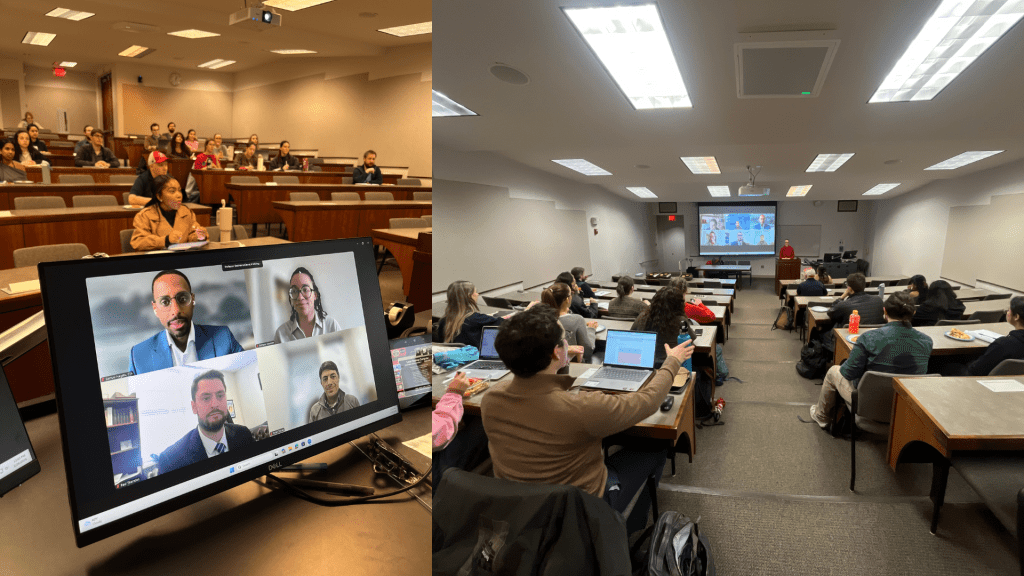
The University of Georgia School of Law partnered with the Washington International Trade Association (“WITA”) to present a second annual webinar about careers in international trade and law. This webinar was part of WITA Academy’s ongoing Pathways to Opportunity Series: Careers in International Trade & Law, through which law students and undergraduates are able to learn about career opportunities in international trade and law from law firms and trade professionals.
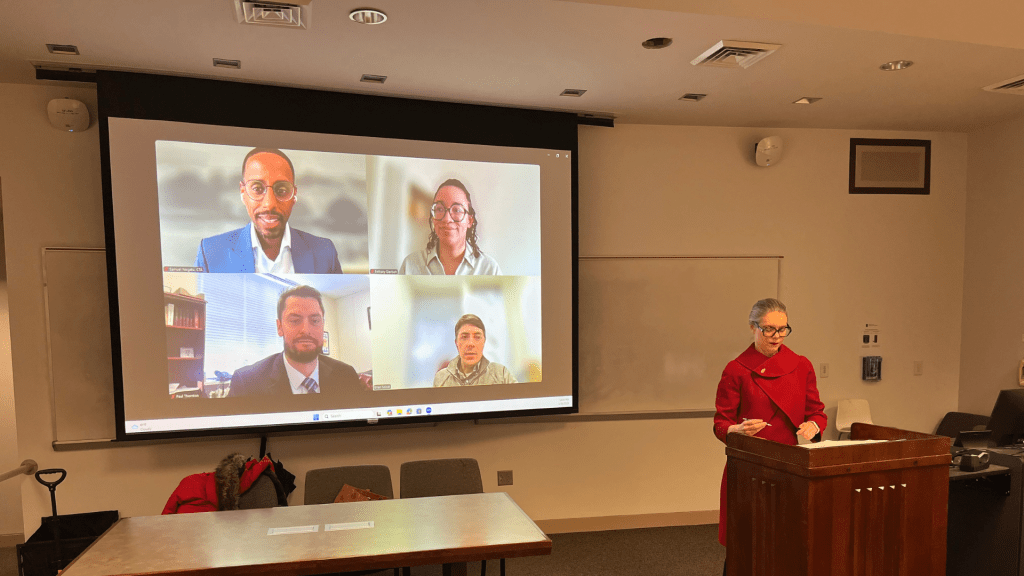
Moderated by Georgia Law Professor Desirée LeClercq, this year’s panel included:
Introductions from Diego Añez, Executive Director, WITA Academy; Managing Director
A panel discussion featuring:
Bethany Davison, Associate, Mowry & Grimson (B.S. Georgia State University; J.D. Georgia State University College of Law)
Samuel Negatu, Director, Government Affairs, Consumer Technology Association; former Senior Advisor, U.S. House of Representatives; former Assistant General Counsel, Office of the U.S. Trade Representative (B.A. University of California, Santa Barbara; J.D. Washington University in Saint Louis)
Brian Soiset, Attorney, U.S. International Trade Commission; former International Attorney, U.S. Department of Commerce (B.A. University of Georgia; J.D. William & Mary University; LL.M. Queen Mary University of London)
Paul Thornton, Attorney, Office of the Chief Counsel for Trade Enforcement and Compliance, U.S. Department of Commerce (B.A. Hampden-Sydney College; J.D. American University Washington College of Law)
During the panel discussion, students were able to gain insights from trade law experts, engage with policymakers and legal practitioners, and explore career opportunities in international trade law from government, companies, and law firms. Students gained a unique perspective on the wide-ranging career paths available in the trade law and policy community, creating connections with key players across both the public and private sectors.
A recording of the panel is available to WITA members. To join, email: events@wita.org
LeClercq joined the University of Georgia School of Law in 2024 as an assistant professor. She teaches Contracts, International Trade and Workers Rights, International Labor Law, U.S. Labor Law, and Public International Law. She also serves as a faculty co-director of the Dean Rusk International Law Center and as the faculty adviser for the Georgia Journal of International and Comparative Law and the Labor and Employment Student Association.
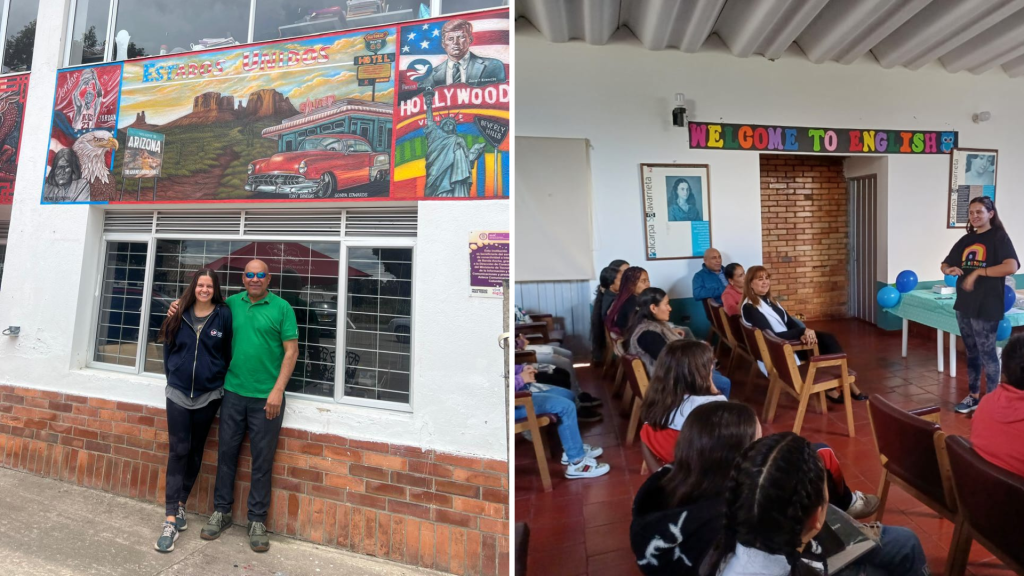
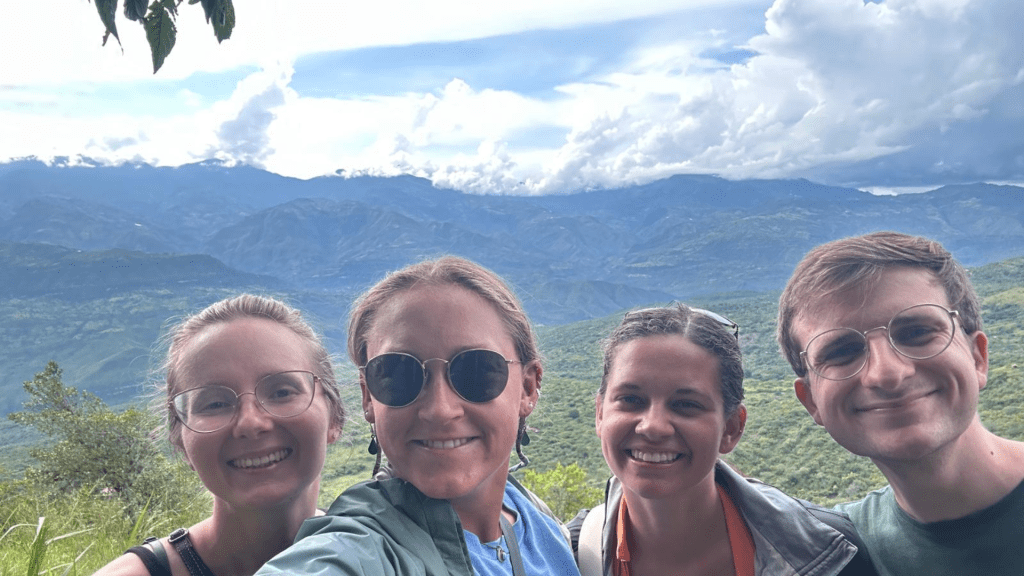
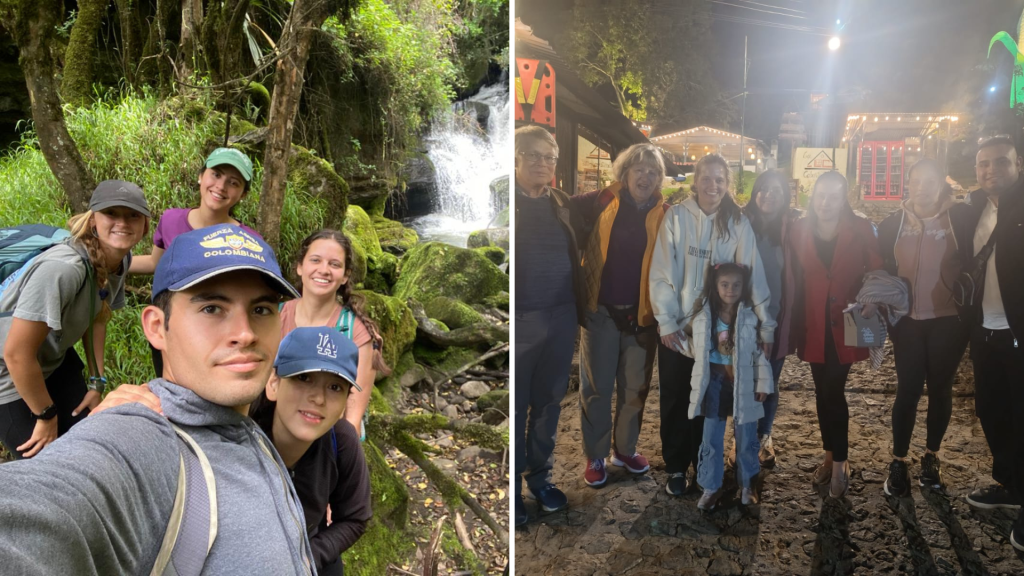
Peace Corps Week, which takes place March 1-6 this year, commemorates President John F. Kennedy’s establishment of the agency on March 1, 1961. This week celebrates the work the organization and its volunteers do to make a difference at home and abroad. More than 240,000 Americans have served the United States and countries around the globe as Peace Corps volunteers, including current University of Georgia School of Law student Sonya Edwards (J.D. ’28). Sonya served in Simijaca, Cundinamarca, Colombia, as an Education Volunteer – TEFL from 2023-2025. In today’s guest post, Sonya reflects on her work abroad and the connections between that experience, what it’s like to be a law student, and how her time abroad relates to her career goals.
What initially inspired you to join the Peace Corps?
The Peace Corps had been vaguely on my mind since high school. I initially wanted to join to serve others, learn Spanish, and experience a new culture. During college, my study abroad program in Chile was canceled due to COVID, so I began looking for another way to live in Latin America. Right after I found out the program was canceled, I went on a nonprofit yoga retreat and met a retired woman who had just returned from Peace Corps. Hearing her stories during that one conversation really inspired me to look more into Peace Corps, and I decided to apply.
Understanding that there usually is no such thing as a “typical day” for a volunteer in the Peace Corps, share an overview about what life was like for you in Colombia and what type of work you engaged in.
I lived in a small town in Colombia, about three and a half hours by bus from the capital. The town had around 13,000 people, and I lived with a host family. I had my own bedroom and bathroom in the house. I was very fortunate to have a large bathroom and an electric heater in my shower, so I always felt very safe and comfortable. I shared the living room, kitchen, and patio with the family. I lived with a single mother, Marina, and her youngest son, Jeisson, who is my age. Marina had two other sons, both of whom had families of their own. Between the three sons, they had four daughters, and the youngest three would usually be brought over to the house in the afternoon to spend time with Marina and me or to join in on fiestas. My host brothers liked to tease me, especially on a couple of occasions when I may have overreacted to a mouse being in the house.
Shortly before I left, I became a godmother to the newest member of the family, Jeisson’s daughter, Leah Celeste. I still talk to my Colombian family and am going back to visit them and baptize Leah in May.
In the mornings, I walked or biked to the school, about one kilometer away from my house, where I taught English alongside co-teachers. I also went to the rural schools, where classrooms had anywhere from four to 30 children of different ages all together in one room (these were my favorite students!). Furthermore, I taught community classes in the afternoons at the town’s Casa de Cultura, which functions like a community center offering free classes of all sorts (examples: Zumba, painting, cooking, knitting) to both children and adults. I participated in many of these classes myself with some of my friends and found they were a great way to meet new people.
In my free time, I would go running or hiking around town because the weather was always perfect and the nature was stunning. Through this, I bonded with a neighbor’s dog who decided he loved me and would always accompany me (despite my promise to myself that I would not get attached to any animals there). Pretty much the entire town thought he was my dog, named “Squirrel,” “Squirrelito,” or “Ardilla.” Another funny story involving the dog, which is very Peace Corps-coded, is that one time a friend came to my community English class, and one of my younger students said, “I thought the dog was your only friend.”
Are there any projects or moments from your service that you’re particularly proud of?
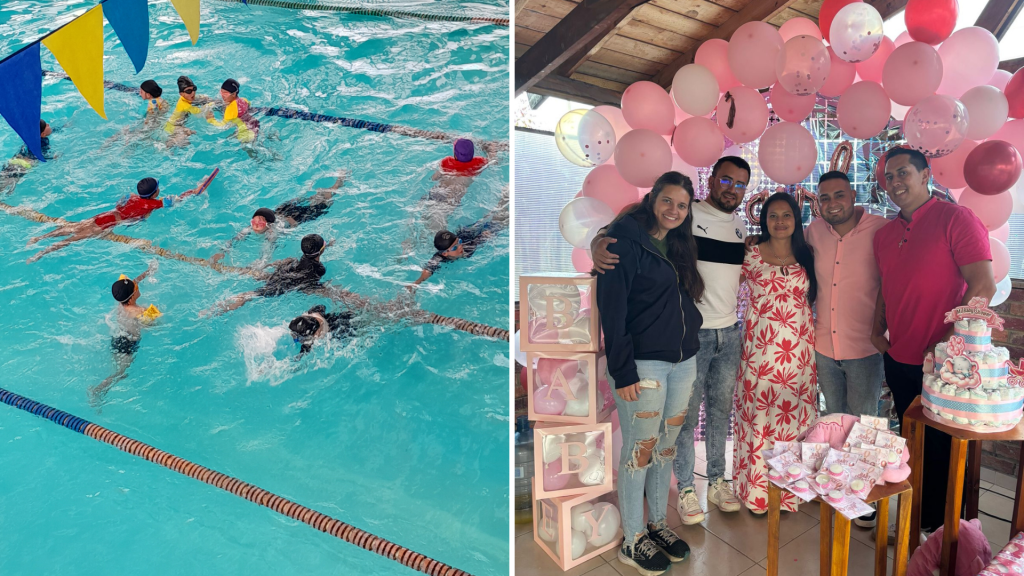
I started a drowning prevention program after a local drowning incident involving two young children in my community. I was truly working at the local level with many different people and organizations to raise funds and gather support for the project. Three times per week, I went with teachers and rural elementary students to a neighboring town for swim lessons. As a former swimmer and lifeguard, I also helped teach the lessons. During this project, I faced many obstacles and roadblocks. It was both incredibly rewarding and very frustrating to make it happen!
I’m also proud of the small, everyday moments. I’ve done some very strange things (for example, sitting on a bus next to a rooster, a kitten, and a screaming child for overe eight hours) during my service that have prepared me for anything. At this point, I truly do not think anything could surprise me.
Describe the connection to and the journey between Peace Corps and law school. Did you always plan to go to law school? Was that decision impacted by your service in any way?
Law school had been on my mind even before joining the Peace Corps, and I had already started taking steps toward applying. My service gave me time to reflect on the decision and ultimately showed me that law school was the right path for me.
While in Colombia, I was exposed daily to local culture and community dynamics. One primary takeaway was understanding how essential critical thinking skills are. During my service, I participated in a gender equality initiative by creating a GLOW (Girls Leading Our World) club in my community.
My involvement with GLOW reinforced my desire to attend law school and learn how to think like an attorney so that I can apply these skills in the child welfare field. Being a GLOW leader made me very aware of the many issues young girls, especially those in rural areas, face. My work in GLOW also taught me effective strategies for working with teenagers, which I would like to use from a legal perspective to help influence legislation surrounding children’s education. This further reinforced my goal of working in child welfare.
Learning to think through issues and problem-solve was critical for my role in GLOW and many of the other projects I did in Colombia. I loved the challenge of resolving issues as they arose. Thus, I realized that the best way for me personally to make a positive impact in the child welfare field was by going to law school to continue developing these critical thinking skills.
How does your time in the Peace Corps relate to your long-term professional goals?
I want to work in child welfare law, and Peace Corps gave me extensive experience in this area. Being on the ground and directly interacting with communities was invaluable and allowed me to identify community and individual needs at a local level.
Now that I have begun looking at child welfare from a legal perspective through applying for summer internships and through training with a Guardian ad Litem program, I have realized how much impact my time in Peace Corps has had on my understanding of child welfare and family dynamics. I have developed greater empathy for families who have had children removed from their homes. Peace Corps reinforced for me that, while of course the safety and emotional/physical/psychological well-being of the child are paramount, each child and family is unique. Peace Corps taught me that community standards and norms for raising children can vary and that there is more than one right way to raise a child.
I also became very well-read and well-traveled during my service at very little personal financial expense. This has allowed me to engage in intellectual conversations that I otherwise might not have been able to participate in.
Practically speaking, so much happened during my time in Colombia that for every interview question I have been asked this season, I have a situational example from my Peace Corps experience. If it’s a question someone can think up, it probably happened in Peace Corps.
What is a takeaway or lesson learned from your time in the Peace Corps that you want to share with the law school community?
Always bring a book (or something to do) with you. You never know when you’ll end up waiting. It can be particularly frustrating for me when I have something that needs to be done and I’m not able to do it. Given the amount of reading we have in law school, it’s never a bad idea to be prepared with work so that if something is delayed or someone is late, I have something productive to do rather than feeling stressed and allowing resentment to build. On that note, I also learned a lot about patience and the importance of letting small things go. Almost nothing is truly that serious or worth getting upset about.
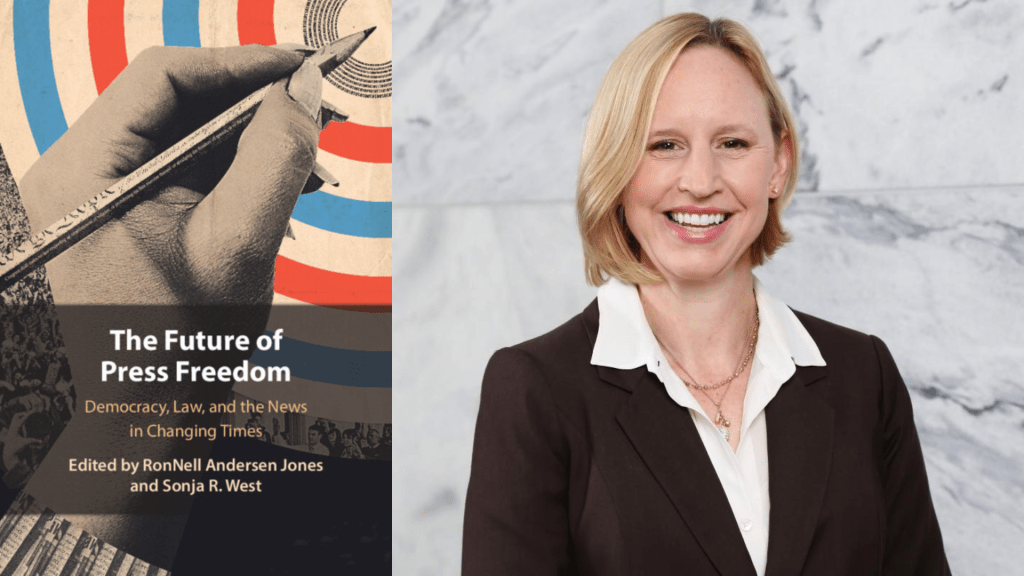
West holds the Otis Brumby Distinguished Professorship in First Amendment Law, a post shared by the law school and Grady College of Journalism and Mass Communication. She specializes in constitutional law, media law and the U.S. Supreme Court.
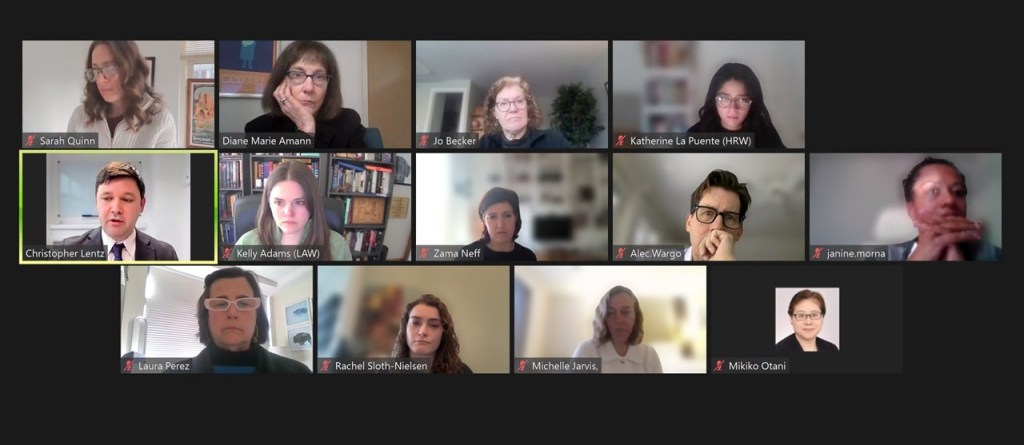
We at the University of Georgia School of Law Dean Rusk International Law Center were honored to host a recent two-part workshop intended to advance consideration of harms against children in a future crimes against humanity treaty.
Expanding that draft to include children’s concerns – specifically, by enumerating the recruitment and use of children as a standalone crime against humanity – was the aim of the Working Group on a Standalone Crime of Recruitment & Use of Children under the Crimes Against Humanity Treaty which our Center hosted. As explained by a briefing paper circulated before the first workshop:
Estimates indicate that a staggering 473 million children (or 18.9% of the global child population) live in conflict-affected areas and are at heightened risk of being recruited by State and non-State actors alike. The physical and developmental harms resulting from child recruitment and use can be severe and often long-lasting. Children may suffer death, physical injuries, or permanent disabilities because of combat, and many experience serious psychological trauma from being forced to commit or witness acts of violence. Even those not directly involved in combat are also at risk of attack due to their perceived association with armed actors. Recruited girls and boys are also frequently subjected to rape, sexual slavery, forced marriage, and other forms of sexual violence. For most children, recruitment also interrupts or ends their schooling, limiting future opportunities for sustainable livelihoods and civic participation. The harms experienced by recruited children are comparable in nature and gravity to other crimes against humanity enumerated in the Draft Articles.
Diane Marie Amann, who is Regents Professor Emerita, Emily & Ernest Woodruff Chair in International Law, and a former Center Faculty Co-Director at Georgia Law, was a co-convenor of the Working Group, along with Zama Neff, Executive Director of the Children’s Rights Division of Human Rights Watch, Laura Perez, Adjunct Professor at the Columbia University School of International & Public Affairs, and Janine Morna, Researcher on Children at the Amnesty International Crisis Response Programme.
 exchange of notes