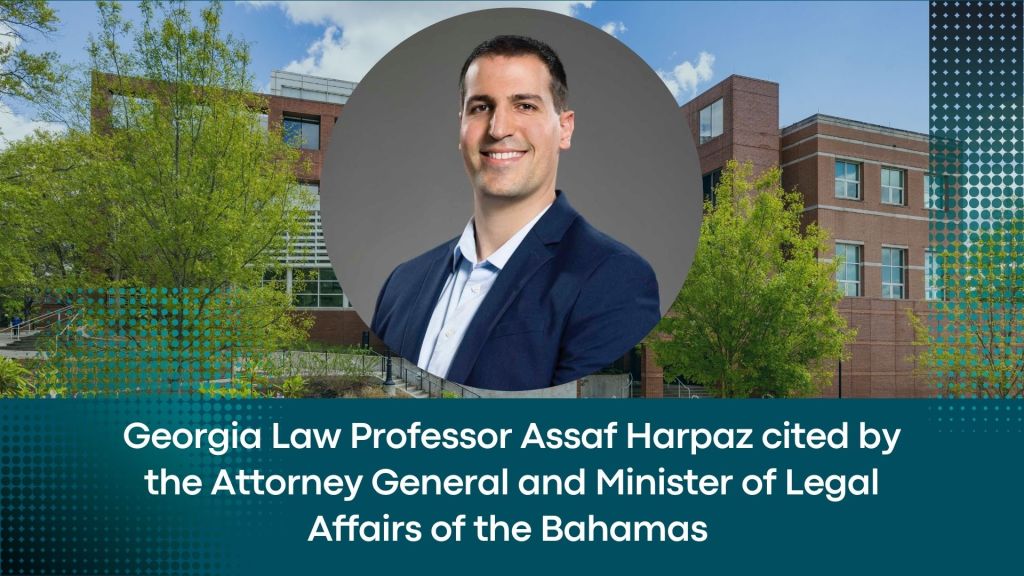
Georgia Law Professor Assaf Harpaz publishes article on the U.N. Framework Tax Convention

University of Georgia School of Law assistant professor Assaf Harpaz published an article titled “The U.N. Framework Tax Convention: Can It Bridge the North-South Divide?” in the tax publication Tax Notes International.

In this article, Harpaz explains the key issues being addressed in the U.N. framework convention on international tax cooperation, including the global north-south divide and its role in the multilateral process.

The article’s abstract is as follows:

The United Nations recently concluded the second session of negotiations on terms of reference for a framework convention on international tax cooperation. The framework convention presents an opportunity to multilaterally address pressing global tax issues. Its goal is to “strengthen international tax cooperation and make it fully inclusive and more effective.”

The extensively negotiated terms of reference make several substantive commitments, including the fair allocation of taxing rights; tax evasion and avoidance by high-net worth individuals; sustainable development; mutual administrative assistance in tax matters; tax-related illicit financial flows; and prevention and resolution of tax disputes.

The ongoing multilateral effort brings the promise of a more equitable international tax regime. However, support for the U.N.’s work and the substantive issues identified has been sharply divided along global north-south lines. A successful U.N. process will need to acquire legitimacy from both the developed superpowers and the developing countries that have historically been excluded from international tax policymaking decisions.

The article explains the key issues being addressed in the U.N. framework convention on international tax cooperation, including the global north-south divide and its role in the multilateral process.

Assaf Harpaz joined University of Georgia School of Law as an assistant professor in summer 2024 and will teach classes in federal income tax and business taxation. Harpaz’s scholarly focus lies in international taxation, with an emphasis on the intersection of taxation and digitalization. He explores the tax challenges of the digital economy and the ways to adapt 20th-century tax laws to modern business practices.

Georgia Law Professor Assaf Harpaz presents at International Roundtable on Taxation and Tax Policy

University of Georgia School of Law professor Assaf Harpaz presented his draft paper “Global Tax Wars and the Shift to Source-Based Taxation” and chaired the “Jurisprudence and Enforcement” panel at the 8th International Roundtable On Taxation And Tax Policy during July.

Below is an abstract from the draft paper:

Current debates in international taxation frequently engage with the concept of global tax fairness, relating to the equitable allocation of taxing rights between jurisdictions. These questions emerge within an international tax framework at a critical juncture. In a rapidly evolving digital economy, intergovernmental organizations are battling to shape the cross-border tax agenda. Global North economies have dominated this regime through the Organisation for Economic Co-operation and Development (OECD), which has drawn backlash due to its undemocratic procedure and unfavorable outcomes for developing countries. Meanwhile, the United Nations has occupied a relatively peripheral role in global tax governance. However, its role could change with the establishment of a new Framework Convention on International Tax Cooperation – an initiative overwhelmingly supported by the world’s developing countries.

The article conceptualizes the contemporary international tax discourse as “tax wars,” contrasting the taxing powers and interests of the OECD-led Global North with those of the UN-backed Global South. It explores the standards and preferences that have underpinned the regime since its inception, focusing on residence and source taxation. The article argues for a shift towards source-based taxation, drawing on procedural and distributive justice principles. To do so, the article proposes expanding the permanent establishment standard in model treaty language, creating an opportunity for broader taxation of business profits in the source country. This transition will address longstanding disparities and is increasingly warranted in a digital economy that does not rely on physical presence.

Assaf Harpaz joined University of Georgia School of Law as an assistant professor in summer 2024 and will teach classes in federal income tax and business taxation. Harpaz’s scholarly focus lies in international taxation, with an emphasis on the intersection of taxation and digitalization. He explores the tax challenges of the digital economy and the ways to adapt 20th-century tax laws to modern business practices.

Georgia Law Professor Assaf Harpaz presents at Junior International Law Scholars Association Workshop

University of Georgia School of Law professor Assaf Harpaz workshopped “Global Tax Wars and the Shift to Source-Based Taxation” at the Junior International Law Scholars Association summer workshop during August.

Assaf Harpaz joined University of Georgia School of Law as an assistant professor in summer 2024 and will teach classes in federal income tax and business taxation. Harpaz’s scholarly focus lies in international taxation, with an emphasis on the intersection of taxation and digitalization. He explores the tax challenges of the digital economy and the ways to adapt 20th-century tax laws to modern business practices.
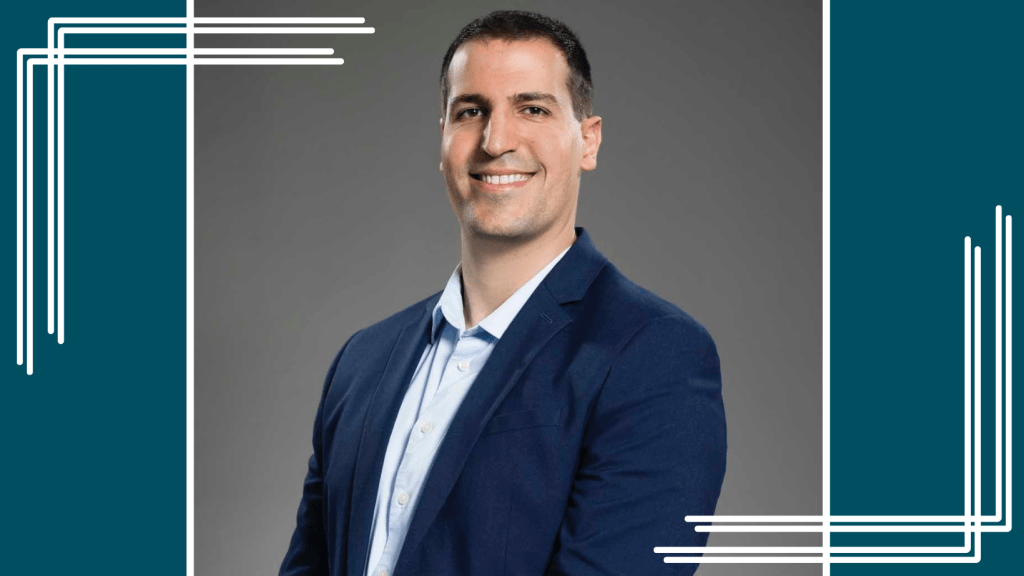
Georgia Law Professor Harpaz submits comments for a UN framework convention on international tax cooperation

University of Georgia School of Law professor Assaf Harpaz recently submitted comments on the Zero Draft Terms of Reference for a United Nations Framework Convention on International Tax Cooperation.

Harpaz’s comments (available here), together with all other inputs, have been published on the Ad Hoc Committee’s website in preparation for its second session.

Assaf Harpaz joined University of Georgia School of Law as an assistant professor in summer 2024 and will teach classes in federal income tax and business taxation. Harpaz’s scholarly focus lies in international taxation, with an emphasis on the intersection of taxation and digitalization. He explores the tax challenges of the digital economy and the ways to adapt 20th-century tax laws to modern business practices.

Georgia Law Professor Harpaz presents at UC Davis School of Law

University of Georgia School of Law Professor Assaf Harpaz recently presented his draft paper, “Global Tax Wars and the Shift to Cross-Border Taxation”, at the 2024 National Business Law Scholars Conference, held at the UC Davis School of Law. This is the fifteenth meeting of the NBLSC, an annual conference that draws legal scholars from across the United States and around the world.

Below is an abstract from the draft paper:

International taxation is at a crossroads. In a rapidly evolving digital economy, intergovernmental organizations are battling to shape the cross-border tax agenda. Global North economies have dominated this regime through the Organisation for Economic Co-operation and Development (OECD), which has drawn backlash due to its undemocratic procedure and unfavorable outcomes for developing countries. Meanwhile, the United Nations has occupied a relatively peripheral role in global tax governance. Nonetheless, in 2023, developing countries overwhelmingly supported the establishment of a new Framework Convention on International Tax Cooperation within the UN. The unprecedented initiative marks a novel challenge to the Global North’s hegemony in international tax policymaking.

This article conceptualizes the contemporary international tax discourse as “tax wars.” It contrasts the taxing powers and interests of the OECD-led Global North with those of the UN-backed Global South. The article argues for a shift towards source-based taxation, drawing on procedural and distributive justice principles. To do so, the article proposes expanding the permanent establishment standard in model treaty language, creating an opportunity for broader taxation of business profits in the source country. This transition will address longstanding disparities and is increasingly warranted in a digital economy that does not rely on physical presence.

Assaf Harpaz joined University of Georgia School of Law as an assistant professor in summer 2024 and will teach classes in federal income tax and business taxation. Harpaz’s scholarly focus lies in international taxation, with an emphasis on the intersection of taxation and digitalization. He explores the tax challenges of the digital economy and the ways to adapt 20th-century tax laws to modern business practices.