Each year, the University of Georgia School of Law is seeing more and more students seeking out global opportunities. But international study comes with a cost. Your gift helps us raise $12,000 by August 1 to cover travel, housing, and program fees for five law students.
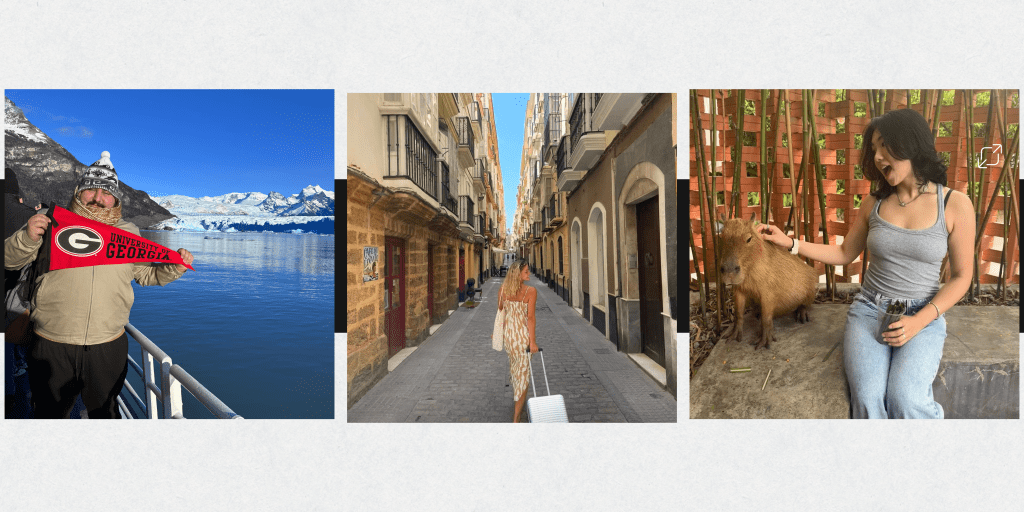
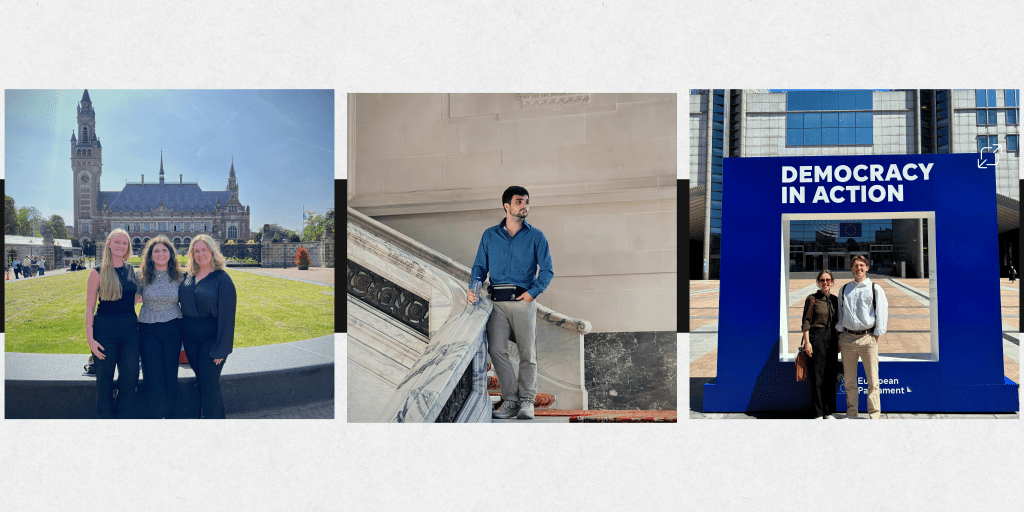
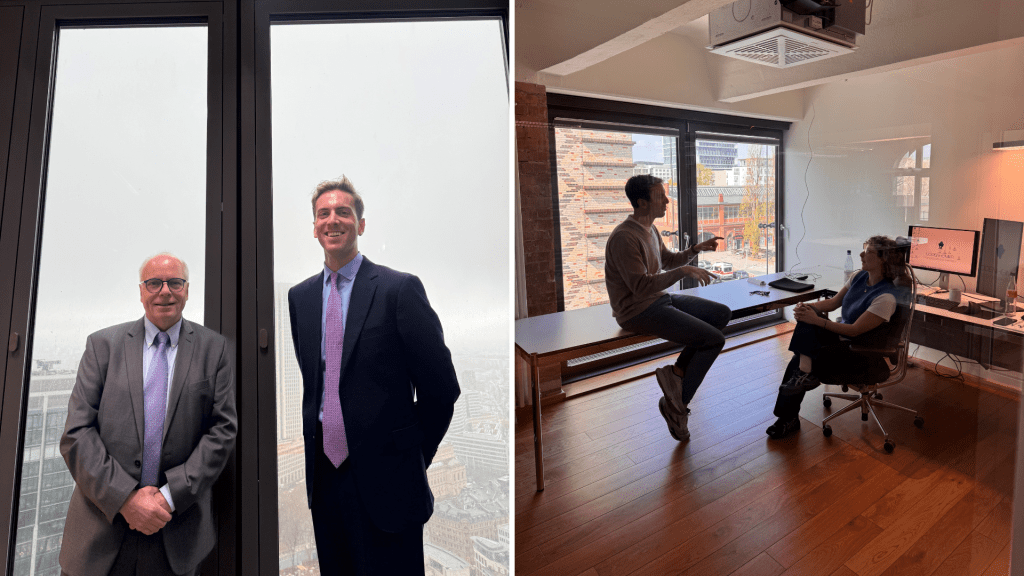
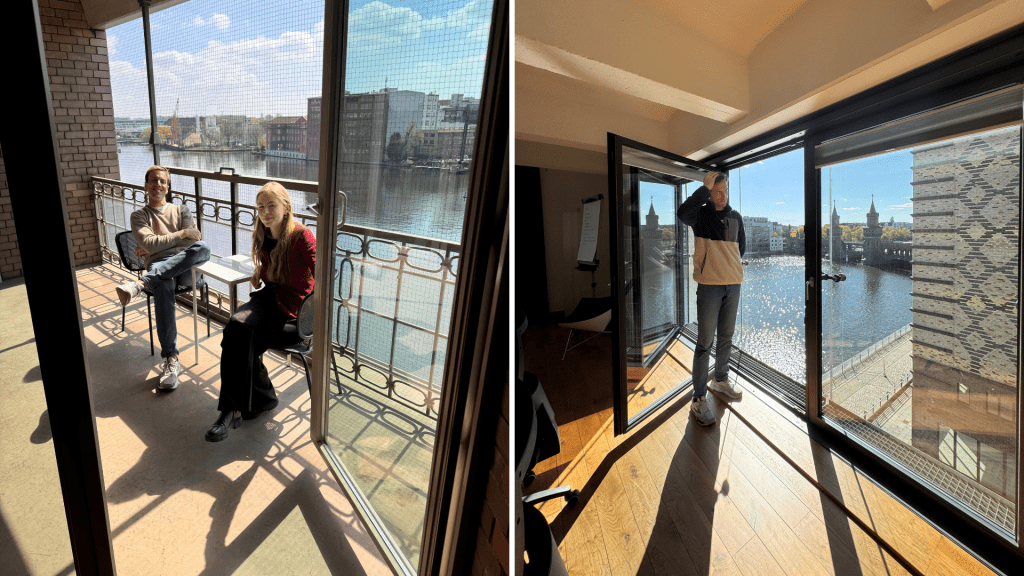
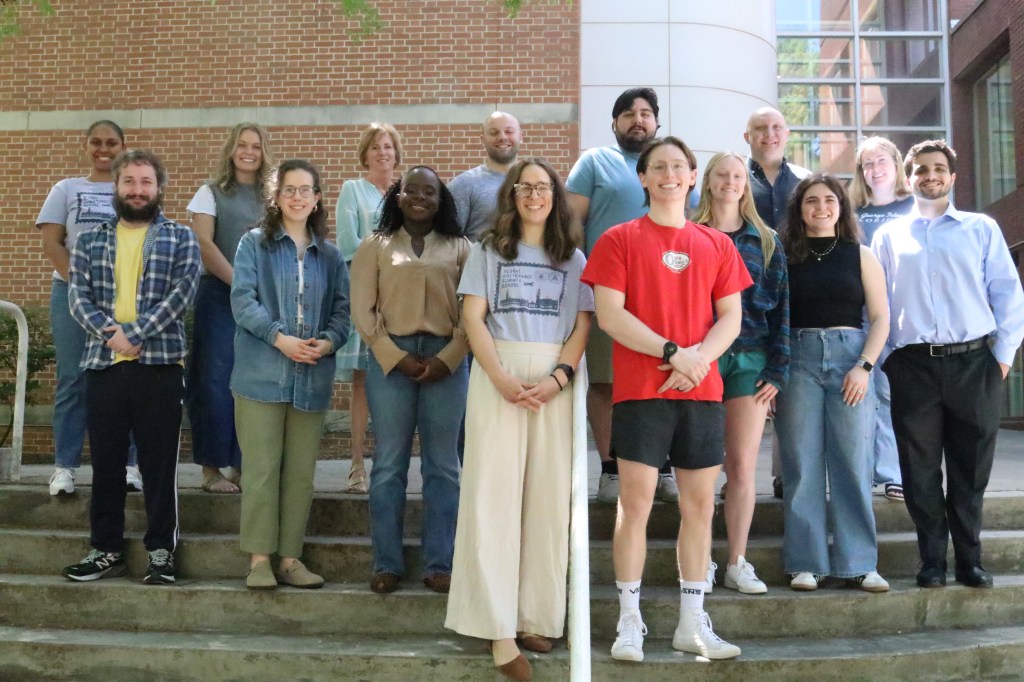
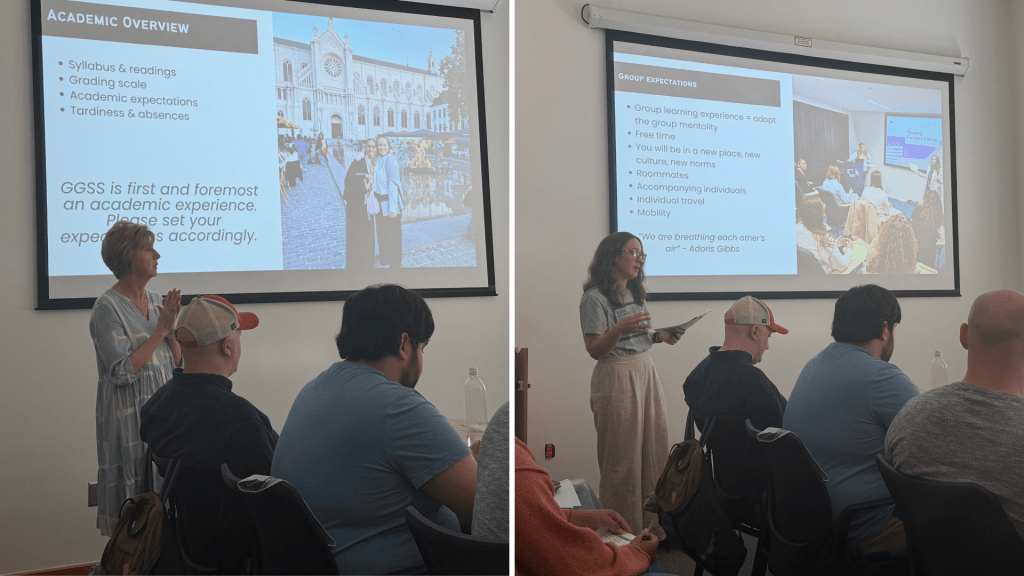
This summer’s photo contest will do just that. Six photos from two of the law school’s standout international programs — Global Governance Summer School and Global Externships Overseas — have been carefully selected, and now it’s your turn to choose the winner!
The photo from each program with the most dollars raised will be featured permanently on a gallery wall in the Dean Rusk International Law Center. Every gift connects students to transformational learning opportunities that shape how future lawyers engage with the world and an increasingly globalized profession.
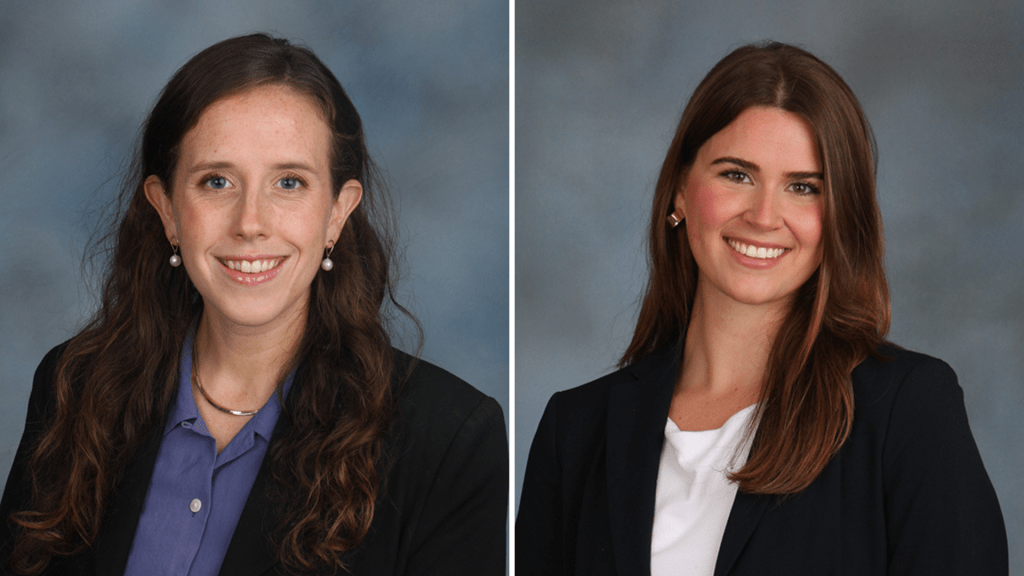
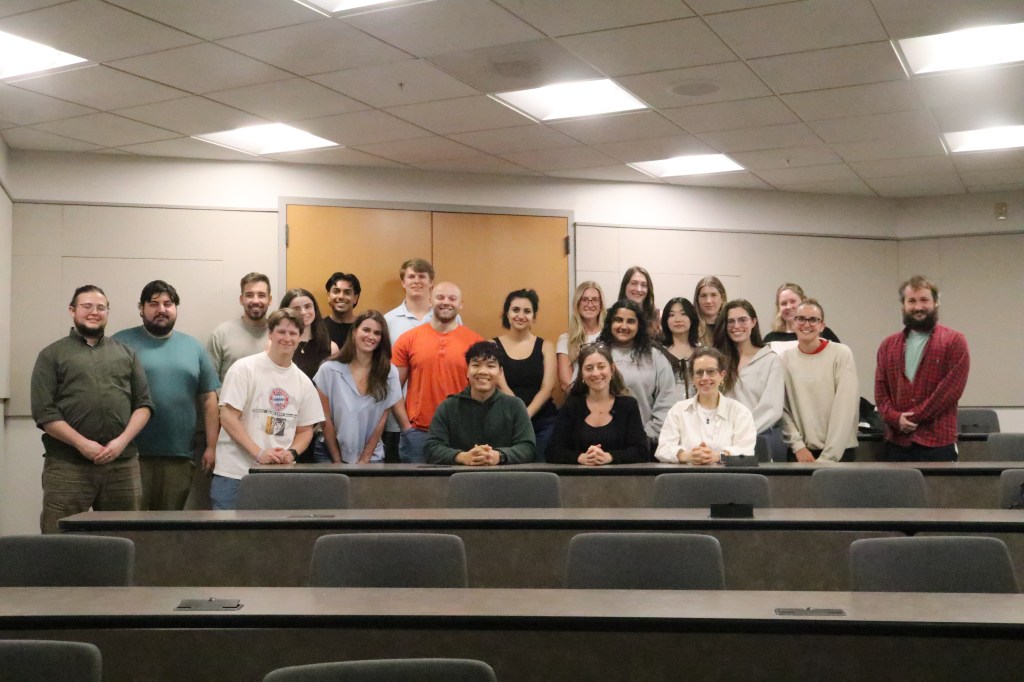
In the upcoming fall semester, two University of Georgia School of Law students will gain international hands-on learning experience through the Global Externships Overseas (GEO) initiative, administered by the Dean Rusk International Law Center in partnership with the DC Semester in Practice: Olivia Haas (J.D. ’27) and Lauren Parramore (J.D. ’27). Through their GEOs, students will work abroad in practice areas including international humanitarian law and international arbitration, respectively.
Haas will work with the International Committee of the Red Cross (ICRC) in Geneva, Switzerland, and will be supervised by Dr. Jean-Marie Henckaerts (LL.M. ’90). Parramore will spend her semester with Bodenheimer law firm in Cologne and Berlin, Germany, under the supervision of Dr. Christof Siefarth (LL.M. ’86).
Parramore has been selected as the recipient of a grant from the Halle Foundation to support her externship in Germany. Based in Atlanta, The Halle Foundation seeks to promote understanding, knowledge and friendship between the people of Germany and the United States. Parramore is the fifth Georgia Law student to receive this grant to support a semester-long GEO in Germany, following Jack Buckelew (J.D. ’25), Pace Cassell (J.D. ’26), Eleanor Cox (J.D. ’26), and William Stowers (J.D. ’27).
Since spring 2021, seventeen Georgia Law students have participated in semester-long GEOs, an extension of the Center’s existing GEO initiative that is offered jointly between the Center and the law school’s Clinical and Experiential Program. Professor Jessica L. Heywood, Clinical Associate Professor and Washington, D.C., Semester in Practice Director, teaches and directs students externing abroad in partnership with Taher Benany, Associate Director of the Dean Rusk International Law Center, who oversees the GEO initiative. Like Georgia Law’s summer GEOs, semester-long GEOs are legal placements around the world that offer all law students the opportunity to gain practical knowledge and experience in an international setting. They are typically supervised in their work by Georgia Law alumni. Students return to Athens with new colleagues and mentors, legal practice skills that set them apart from their peers, and a deeper appreciation of the global legal profession.
***
The Center is currently accepting applications for spring 2027 semester-long GEOs; all rising 2L and 3L students are eligible to apply. Applications are reviewed on a rolling basis. For more information and to access the application, please email Taher Benany: taher.benany@uga.edu
Today, we welcome a guest post by William Stowers, a member of the University of Georgia School of Law class of 2027. Stowers is the seventeenth Georgia Law student to participate in a semester-long international externship and the fourth recipient of a grant from the Halle Foundation to support his externship in Germany. The semester-long externships overseas initiative is an extension of the Center’s existing Global Externships Overseas and is offered jointly between the Center and the law school’s Clinical and Experiential Program. Stowers’ post describes his experience as a legal extern with Bodenheimer, a German law firm specializing in international arbitration. Stowers spent time in both Bodenheimer’s Cologne and Berlin offices, where he worked under Georgia Law alumnus Dr. Christof Siefarth (LL.M., ’86). Dr. Siefarth, who is also a member of the Dean Rusk International Law Center’s Advisory Council, is a Partner at Bodenheimer.
“Say yes to everything.” Professor Jessica Heywood gave my classmates and me this advice on the first day of our seminar for our semester-long Global Externships Overseas (GEOs). At the time, I had yet to depart for my semester in Germany or start my externship with Bodenheimer under Dr. Christof Siefarth (LL.M. ’86). Little did I know just what taking that advice would look like over the next three months.
I was greeted on the first day of my externship with flowers, a laptop, and an onboarding list. For those of us who had prior careers and externships, a first day is almost comforting in its regularity. After onboarding came lunch with my “BOB,” BODENHEIMER’s version of a mentor. My BOB was just a couple of doors down, and would be there for me throughout my time in Cologne and at the firm. During our first lunch, the following exchange took place:
“Oh, it’s great that you’ll be here for Karneval.”
“I’m sorry, for what?”
Looking back, this exchange brings a smile to my face. Carnival, or Karneval, is of course the Catholic celebration preceding Lent. I have seen videos of my friends revel in the streets and on the beaches of Rio de Janeiro for this February bacchanal, but I figured that this was an isolated event. As it turns out, Cologne loves Carnival, and it is apparently the second largest celebration for the event in the world. However, before the festivities began, I of course had real work to do.
Almost immediately, I became involved in my very first international commercial dispute headed to arbitration. When I arrived, the parties were filing their final submissions and the arbitration hearing was scheduled just a few weeks after my first day in Frankfurt. The dispute was a complicated one, as cross-border commercial disputes often are, and I was swimming through information. It was exciting, but not as exciting as observing my first hearing in person. While it was an international, cross-border arbitration, the applicable law was German, most of the lawyers were German-qualified, and the arbitrator was a German lawyer. Unlike American courts, where the parties face the judge, the parties here faced each other. Unlike American courts, where the witness faces the parties and the jury, witnesses here sat in between the parties and faced the arbitral panel. Unlike American trial court proceedings, where judges usually limit their questions to clarifications, the arbitral panel here had multiple substantive questions that they could ask the witnesses. To be sure, I spent most of the hearing just watching. Watching the witnesses, the lawyers, the panel. It was all just different from my own experience in court. The mock trial kid and wannabe litigator in me kept lurching forward at different points to object to hearsay, speculation, and other things. Of course, the Federal Rules of Evidence don’t apply here. And, in all fairness, thank goodness. After the day and a half of hearings concluded, we returned to Cologne.
Pretty soon, the streets became populated with celebrants in colorful costumes and traditional uniforms, and visits to nearby breweries for pints of Kölsch were absolutely mandatory. The Thursday of Carnival, which is sort of the official beginning of the holiday, I was instructed not to wear a necktie lest a female colleague or perhaps a random stranger cut it off below the knot. I was also instructed that my innocent attempt at joining in the celebrations linguistically, by which I mean I wished a colleague “Guten Karneval,” was horribly wrong. The proper greeting was “Kölle Alaaf,” roughly translating to “Cologne above all.” The city was essentially on holiday until the next week. Parades began on that following Sunday, in which one of my friends participated. As a former marching band kid, I’m not sure I have ever seen such colorful and vivacious parades. The celebratory weekend peaks with Rose Monday (Rosenmontag). For not the first time in my life, I missed this main celebration in order to travel to New Delhi for a wedding. Yes, I was going directly from a German festival weekend to an Indian nuptial weekend. I returned over a week later and put myself on bed rest. Well, I intended to. My time in Cologne was quickly coming to an end and I had a few things on my list to do before I moved to Berlin.
“Moving to Berlin?” a friend from home asked, insinuating that the term “moving” was not appropriate. Relocating? Geographically displacing myself? As lawyers in training, words matter. But there’s no need to make things unnecessarily complicated. My move to Berlin came at a perfect time. BODENHEIMER’s Cologne office was packing up and getting ready to set up a new office. The Berlin office, on the other hand, had been packed up and its new space was almost ready. After a couple of days getting settled into my accommodations for the remainder of the semester, which I was subletting from a friend of a friend, the new Berlin office was ready. After a few stops on the S-Bahn (light rail) to the Warschauer Straße station and an incredibly short walk to the banks of the Spree River, I arrived at BODENHEIMER’s new Berlin home. The newly renovated office smelled like it – fresh paint, new floors, and cardboard boxes full of equipment and files. I have to admit I found it poetic and just plain cool to begin this next chapter alongside the firm’s new chapter.
Over the remaining weeks in Berlin, my work continued. I supported the submission of a statement of claim for another transnational contractual dispute, conducted various research tasks, and assisted with contract drafting for our clients. At the same time, I was reconnecting with my friends in Berlin who I had met in the course of my previous travels and made new connections through them and my three flatmates, all of whom were incredibly gracious, kind, and patient. While I had settled into a routine and fallen in love with Cologne, I felt like I was settling into Berlin. After a quick trip to Dublin with a classmate and then a short sojourn to London to align with my mother’s theatre trip to the West End, landing back at the Berlin Airport brought the strangest feeling. For much of my life, landing at Hartsfield-Jackson felt like coming “home.” After college, for several years landing at San Francisco International began to feel like “home.” After just a few weeks, landing back in Berlin started to give me that same feeling.
As my time in Germany and at BODENHEIMER came to an end, the weather began defrosting (did I mention I spent most of my semester in the thirties and forties?). Flowers all along the Spree began to bloom, and I unofficially declared our first team lunch outside alongside one of the canals a proper occasion, where we all ordered Weißer Spargel mit Schnitzel (white asparagus with schnitzel). Poetically, the arbitral panel I had observed a few months before in Frankfurt delivered its award. This award, combined with my prior work on that same arbitration, my support in submitting another claim, and a project involving a pre-litigation contract dispute, represented a personal and professional milestone: I had seen the bulk of an arbitral lifecycle. Just in time for me to return home.
On my last weekend in Berlin, my flatmate celebrated his birthday with a friend’s picnic along the Spree across from Schloss Bellevue, the German President’s ceremonial residence. With the soft sunshine, gentle breeze, lofi beats, good snacks and drinks, surrounded by new friends, I realized that I had accomplished everything I wanted to on this journey. I had witnessed firsthand a new legal system, gotten my hands dirty in the nitty-gritty of international arbitration, explored new cities, reconnected with old friends, made new lifelong peers, and above all else, I enjoyed every moment. It is not lost on me, however, that none of this would have been possible without help. My flatmates and friends I made in Germany, my colleagues and mentors at BODENHEIMER, The Halle Foundation, the Dean Rusk International Center, my Georgia Law professors, and my friends and family back home made this semester possible. As I look forward to the rest of my career and the rest of my life, I know that they each made whatever future steps come next possible as well. And for that, I will forever be grateful and forever indebted.
***
For more information about semester-long Global Externships Overseas, please email: ruskintlaw@uga.edu
Global Externships Overseas (GEO), 4-12 week placements for rising second- and third-year law students in private-sector and public-sector law placements around the world.
Global Governance Summer School
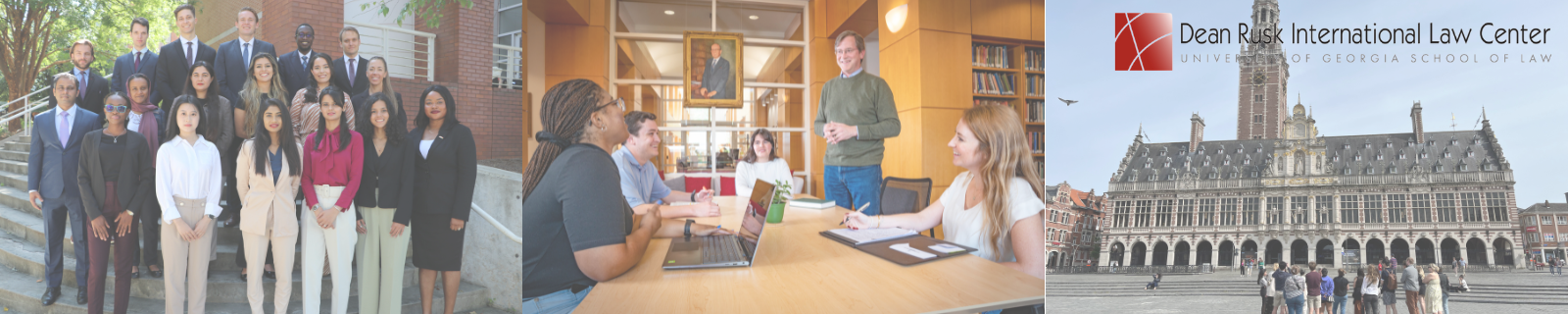
This year’s Global Governance Summer School will focus on comparative environmental law and sustainability. It is set to begin in mid-May, when students will travel to two cities in Belgium for a week of site visits and lectures led by Georgia Law’s Professor Catherine Clutter, as well as professors from partner university KU Leuven‘s Centre for Global Governance Studies. The first week of this for-credit course also will include professional development briefings at the North Atlantic Treaty Organization (NATO), the European Commission, the European Economic and Social Committee, the European Committee of the Regions, the European Council, private law firms, and NGOs.
Then, programming shifts to The Hague, Netherlands, where Clutter will lead briefings at the International Criminal Court, the International Court of Justice, the Permanent Court of Arbitration, and at several embassies and consulates. Center director Sarah Quinn will provide logistical assistance throughout the program.
A total of twelve students will participate in this year’s summer school, including:
Our Center’s Global Externship Overseas initiative, overseen by Center Associate Director Taher Benany, offers Georgia Law students the opportunity to gain practical work experience in a variety of legal settings around the world. This summer, three students have opted to combine the GEO opportunity with their participation in GGSS: David Bekore, Keith Felix, and Margaret Haisty.
A total of nineteen Georgia Law students will pursue GEOs in practice areas such as privacy and technology law, environmental law, international arbitration, EU competition, intellectual property, corporate law, international humanitarian law, and human rights law.
This year’s GEO class includes thirteen private-sector placements:
David Bekore (J.D. ’28): GreeCo SA; Buenos Aires, Argentina
In the upcoming spring semester, six University of Georgia School of Law students will gain international hands-on learning experience through the Global Externships Overseas (GEO) initiative, administered by the Dean Rusk International Law Center in partnership with the DC Semester in Practice: Micah Booker (J.D. ’27), Aaron Dasher (J.D. ’26), Avery Herman (J.D. ’27), Edmund Kim (J.D. ’27), Sarah Najjar (J.D. ’27), and William Stowers (J.D. ’27). Through their GEOs, students will work abroad in practice areas including international arbitration, M&A, energy and infrastructure, international trade, and cultural heritage law.
Five students will work in private law settings: Booker with extern with LNT & Partners in Hanoi, Vietnam; Herman will extern with Araoz y Rueda in Madrid, Spain, under the supervision of Ainhoa Veiga (LL.M. ’97); Kim and Najjar will extern with KPMG Legal in Ho Chi Minh City, Vietnam, under the supervision of Binh Tran (J.D. ’11); and Stowers will extern with Bodenheimer in Berlin, Germany, under the supervision of Dr. Christof Siefarth (LL.M. ’86).
Dasher has a public interest placement and will extern remotely with the Antiquities Coalition under the supervision of Tess Davis (J.D. ’09).
Stowers has been selected as the recipient of a grant from the Halle Foundation to support his externship in Germany. Based in Atlanta, The Halle Foundation seeks to promote understanding, knowledge and friendship between the people of Germany and the United States. Stowers is the fourth Georgia Law student to receive this grant to support a semester-long GEO in Germany, following Jack Buckelew (J.D. ’25), Pace Cassell (J.D. ’26), and Eleanor Cox (J.D. ’26).
Najjar has been selected as a recipient of the Office of Global Engagement Asia-Georgia Internship Connection Scholarship. This scholarship funds student pursuing credit-bearing internships in southeast Asia for a duration of at least four weeks. Preference is given to students traveling to Cambodia, Indonesia, Japan, South Korea, Laos, Malaysia, Mongolia, the Philippines, Singapore, Taiwan, Thailand, and Vietnam. Posts about past recipients of this scholarship at Georgia Law can be found here and here.
Since spring 2021, fourteen Georgia Law students have participated in semester-long GEOs, an extension of the Center’s existing GEO initiative that is offered jointly between the Center and the law school’s Clinical and Experiential Program. Professor Jessica L. Heywood, Clinical Associate Professor and Washington, D.C., Semester in Practice Director, teaches and directs students externing abroad in partnership with Taher Benany, Associate Director of the Dean Rusk International Law Center, who oversees the GEO initiative. Like Georgia Law’s summer GEOs, semester-long GEOs are legal placements around the world that offer all law students the opportunity to gain practical knowledge and experience in an international setting. They are typically supervised in their work by Georgia Law alumni. Students return to Athens with new colleagues and mentors, legal practice skills that set them apart from their peers, and a deeper appreciation of the global legal profession.
***
The Center is currently accepting applications for fall 2026 semester-long GEOs; all 1L and 2L students are eligible to apply. Applications are due February 15. For more information and to access the application, please email Taher Benany: taher.benany@uga.edu
The University of Georgia School of Law regrets to announce the passing of María Eugenia Giménez on October 8, 2025, at the age of 71 in Madrid, Spain, following heart surgery. She joined UGA in 1993 and played a vital role in establishing international programs at the School of Law before retiring in 2015.
Giménez earned her law degree at the University of Mendoza in Argentina. She also held two Master of Laws degrees, one from the Vrije Universiteit Brussels (Belgium) and the other from Georgia Law.
In 1998, in collaboration with the Institute of Continuing Judicial Education of Georgia, Giménez developed the International Judicial Training Program, which eventually trained more than 1,000 participants from the judiciaries of countries around the world. She was given a Diploma of Merit and medal by the Federal Military Justice of the State of São Paulo, Brazil, in recognition of her work with the International Judicial Training Program. Additionally, she was appointed to serve as an international expert member of the governing board of the International Institute for Justice Research and Training, headquartered in New Delhi, India.
The Global Internship Program, which Giménez created in 2001, provided summer opportunities to interested students in more than 70 law firms and organizations in 35 countries around the world. The program continues today under the name Global Externships Overseas (GEO).
In 2003, the Universidad del Salvador in Buenos Aires conferred upon Giménez an honorary professorship. The next year, she was awarded a Fulbright Fellowship to teach and research in the area of regional justice reform at the Universidad del Salvador Faculty of Law.
In 2013, she initiated the Transnational Law Program, which brought foreign law students to Athens for short-term immersion in American and international law.
She will be missed by law school faculty, staff and former students. Below, Priti Suri (LL.M. ’89), Georgia Law alumna and a classmate of Giménez, shares her reflections on Giménez’s life and legacy.
Some friendships begin with shared textbooks and late-night study sessions. Ours began at the University of Georgia School of Law in the whirlwind of LL.M. life where Maria stood out not just for her brilliance, but for her boundless warmth, wit, and the quiet strength that made her unforgettable.
Maria was more than a classmate. She was an anchor in unfamiliar waters, my co-conspirator in laughter, and confidante in moments of doubt. She brought the spirit of Latin America into every room: passionate, principled, and always ready to dance, debate, or defend what mattered most. Her legal mind was formidable, but it was her heart that truly led. Whether she was advocating for justice, mentoring younger lawyers, or simply listening with that signature tilt of her head and knowing smile, Maria made people feel seen. She had a gift for turning strangers into friends and friends into family.
Even across continents and years, our bond endured. Through one meeting in New Delhi, in Europe and the US, and, of course, though WhatsApp voice notes, we shared memories of Athens and the occasional legal rant that only she could make hilarious. I am so glad that, since Covid, Thomas Bentler (LL.M. ’89) started our trio’s monthly Teams calls. Our plan to reunite this past September in Spain was not to be as Maria had to undergo a massive open heart surgery in the summer. Her passing leaves a silence that echoes deeply, but also a legacy that sings.
Maria taught me that resilience can be gentle, that brilliance can be humble, and that true friendship is a lifelong gift. I carry her laughter, her wisdom, and her fierce loyalty with me. Yes, there is pain. The pain lies not only in her passing but in all the uncertainty of recent weeks, and then the shock of it last night when her niece informed me. Maria was a light in the world and it was my privilege have her as a friend. And I will keep telling her stories, because she deserves to be remembered not just in sorrow, but in celebration.
I cannot believe I am saying this. Rest well, querida Mimi. You were and will be deeply loved, my darling friend, and you will be missed more than words can say. I am sure you are reunited with your parents and my dad.
A Mass will be offered in her memory at 5:30 p.m. on November 25, 2025, at the Catholic Center at UGA (1344 S. Lumpkin Street, Athens). All are invited to attend.
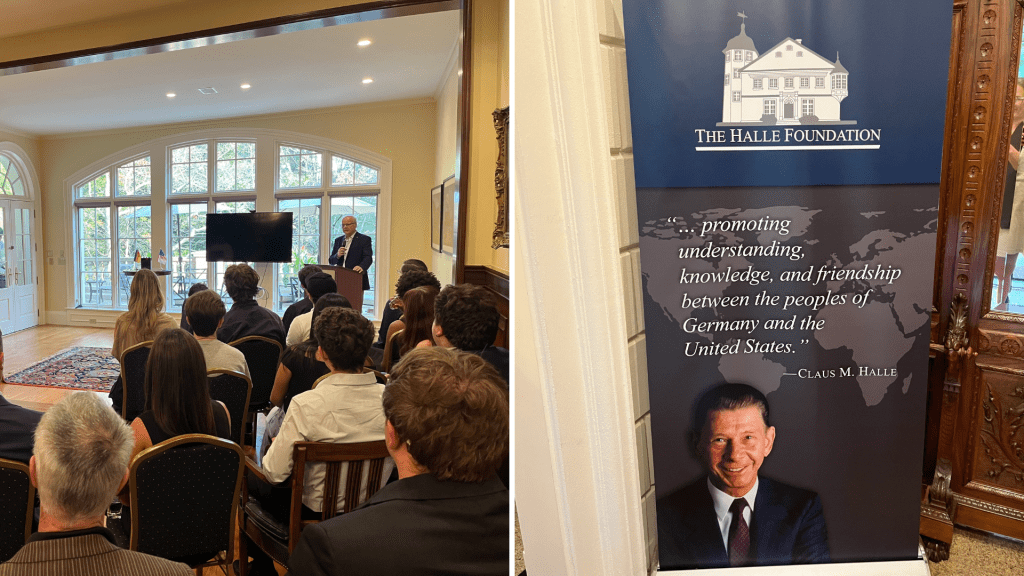
Last week, the University of Georgia School of Law’s Dean Rusk International Law Center participated in a dinner reception celebrating global education and the philanthropic generosity of the Halle Foundation, supporting American-German educational exchange. This event was jointly sponsored by the University of Georgia’s Department of Germanic and Slavic Studies and the Office of Global Engagement.
The mission of The Halle Foundation is to promote understanding, knowledge, and friendship between the people of Germany, as seen in its European context, and those of the United States. In furtherance of this mission, the Foundation supports, primarily through grantmaking, initiatives and activities with a preference to organizations and institutions operating within, or with some discernable connection to, the state of Georgia. UGA has several international mobility initiatives, including Georgia Law’s semester-long Global Externships Overseas (GEO) initiative, that are beneficiaries of the Halle Foundation.
The evening program began with welcoming remarks by Dr. Eike Jordan, Chairman of the Board of Trustees of the Halle Foundation and Dr. Martin Kagel, Associate Provost for Global Engagement, UGA Office of Global Engagement. Then, faculty and administrators at UGA who oversee initiatives benefitting from the Halle Foundation’s support spoke about the impact that their grants have on students. Speakers included: Dr. Jan Uelzmann, Co-Director of Film, Art, and Cultural History in Berlin program; Dr. Heide Crawford, Co-Coordinator of ENGR-GRMN Dual Degree Program, Director of the Freiburg Study Abroad program; and Sarah Quinn, Director of the Dean Rusk International Law Center.
Then, UGA students shared reflections about what their time abroad in Germany meant to them academically, professionally, and personally. Georgia Law student Pace Cassell (J.D. ’26) spoke about her experience as a legal extern at Baker Tilly in Hamburg, Germany during the spring 2025 semester through the semester-long GEO initiative, jointly administered by the Center and the DC Semester in Practice. Cassell is the recipient of a grant from the Halle Foundation, awarded to the law school in summer 2024 to support six students over three years participate in semester-long externships in Germany.
***
Applications are open for fall 2027 semester-long Global Externships Overseas (GEOs). All current 1Ls and 2Ls are invited to submit an application by February 15. For more information and the application, please email: ruskintlaw@uga.edu
Today, we welcome a guest post by Daniel “Tripp” Vaughn, a member of the University of Georgia School of Law class of 2025. Vaughn participated in a semester-long international externship in spring 2025. The semester-long externships overseas initiative is an extension of the Center’s existing Global Externships Overseas and is offered jointly between the Center and the law school’s Clinical and Experiential Program. Vaughn’s post describes his experience as a legal extern with Van Bael & Bellis, a law firm working on EU and national competition law, EU trade and customs law, regulatory law, as well as Belgian business law. Vaughn was based in Brussels, Belgium, where he worked under Georgia Law alumnus Porter Elliott (J.D. ’96).This was Vaughn’s third Global Externship Overseas during his time at Georgia Law. He is now living in Leuven, Belgium, where he is pursuing a Master of Laws (LL.M.) degree at KU Leuven.
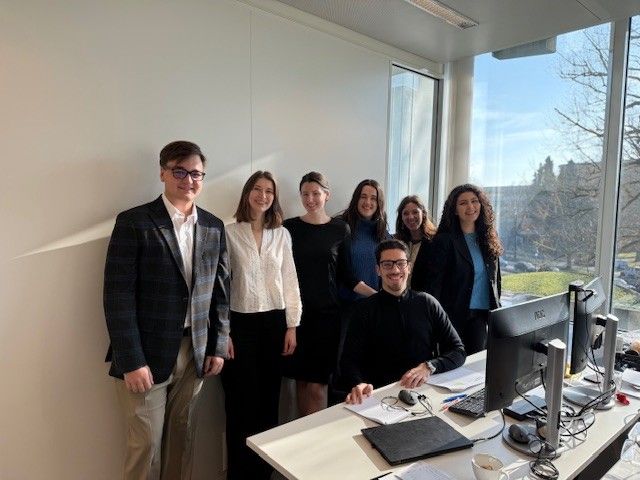
Last spring, I spent my final semester of law school working as a legal extern at Van Bael & Bellis (VBB), a Belgian law firm consisting of three offices in London, Brussels, and Geneva. VBB specializes in European and international legal work across three main categories: trade, antitrust, and corporate regulatory compliance. The firm’s composition truly represents its international focus, employing attorneys from more than 20 different countries. Just my office alone was shared with interns from Belgium, France, Ireland, Italy, Germany, and Spain.
This international diversity, strongly reminiscent of the city of Brussels itself, created a uniquely open-minded and welcoming atmosphere at the firm. Every day, whether through work projects or casual conversations, I learned more about countries and legal systems all across the world. The sheer breadth of nationalities, experiences, and perspectives held by VBB’s attorneys ensured that everyone in the office was still expanding their understanding of business and law. In this context, it was clear throughout the firm that questions were not only expected but also encouraged. As an extern, this atmosphere afforded me an incredible opportunity to add to my knowledge and experience before graduating law school.
This open mentality compounded the impact from my involvement in VBB’s extremely varied legal work, spanning from sanctions compliance and antidumping investigations to client alerts on upcoming legislation and updating internal materials on EU antitrust laws. I gained firsthand experience working on US-EU and EU-China trade disputes, including assessing tariffs and determining the correct classifications for products. When the EU proposed new legislation, I researched its impacts and together with expert attorneys wrote alerts for specifically affected clients as well as general takeaways. As part of my externship I also assisted many other tasks as well, including me in projects in over 20 different countries with different legal systems and approaches to corporate law.
However, of these many fascinating projects I had the opportunity to work on during my externship, sanctions compliance proved to be the most impactful and enduring. This work included researching involved parties of proposed transactions to ensure that the actions contemplated would pose minimal compliance risks from a sanctions perspective. While simple in concept, sanctioned parties would often go to great lengths to disguise their presence in transactions through strings of shell companies across the globe and the suppression of any information related to their ownership. Further complications often arose from the differences between UK, US, and EU sanction regimes, including the scope of sanctions, the jurisdiction of corresponding regulatory agencies, and the applicable penalties for noncompliance.
Despite these challenges, I began to increasingly enjoy the research and analysis required. Tracking down the ownership and control of various companies, which is often not openly disclosed information, consisted of sifting through media articles, social media posts, NGO reports, and other publicly accessible data such as ship transponders and locations. This process often felt like solving a particularly difficult puzzle, piecing together various clues to get a clearer picture of the involved parties and sanctions risks. Due to the lack of available information, many times the ownership or control of involved parties could not be definitively determined. However, it was incredibly satisfying when hours or days of research and seemingly unrelated shreds of information finally came together and yielded important conclusions.
I am extremely grateful for the experiences and opportunities given to me by Van Bael & Bellis. My time with the many talented attorneys at the firm opened my eyes to fields and career opportunities in international law that I never would have believed existed. As I am currently returning to Belgium for my Master of Laws (LL.M.) degree at KU Leuven, I am confident that my time with VBB will prove invaluable to me.
***
Applications are open for spring 2026 semester-long Global Externships Overseas (GEOs). All current 2Ls and 3Ls are invited to submit an application by September 15. For more information and the application, please email: ruskintlaw@uga.edu
Two students will work in private law settings: Bartholomew with extern Gleiss Lutz in Stuttgart, Germany, while Cox will extern with Bodenheimer in Berlin, Germany, under the supervision of Dr. Christof Siefarth (LL.M. ’86). Reed has a public interest placement and will extern with the Office of the Privacy Commissioner of Bermuda under the supervision of Alexander White (J.D. ’09). Through their GEOs, students will gain experience in practice areas such as international arbitration and data privacy.
Cox has been selected as the recipient of a grant from the Halle Foundation to support her externship in Germany. Based in Atlanta, The Halle Foundation seeks to promote understanding, knowledge and friendship between the people of Germany and the United States. Cox is the third Georgia Law student to receive this grant to support a semester-long GEO in Germany, following Jack Buckelew (J.D. ’25) and Pace Cassell (J.D. ’26).
Since spring 2021, eight Georgia Law students have participated in semester-long GEOs, an extension of the Center’s existing GEO initiative that is offered jointly between the Center and the law school’s Clinical and Experiential Program. Professor Jessica L. Heywood, Clinical Associate Professor and Washington, D.C., Semester in Practice Director, teaches and directs students externing abroad in partnership with Taher Benany, Associate Director of the Dean Rusk International Law Center, who oversees the GEO initiative. Like Georgia Law’s summer GEOs, semester-long GEOs are legal placements placements around the world that offer all law students the opportunity to gain practical knowledge and experience in an international setting. They are typically supervised in their work by Georgia Law alumni/ae. Students return to Athens with new colleagues and mentors, legal practice skills that set them apart from their peers, and a deeper appreciation of the global legal profession.
***
The Center is currently accepting applications for spring 2026 semester-long GEOs; all 1L and 2L students are eligible to apply. Applications are due September 15. For more information and to access the application, please email Taher Benany: taher.benany@uga.edu
University of Georgia School of Law students Franklin Phan (J.D. ’27) and Kara Reed (J.D. ’26) were selected to receive funding for legal externships in Vietnam and Japan this summer through the UGA Office of Global Engagement’s Asia-Georgia Internship Connection Scholarship.
Both students’ scholarships will support their Global Externship Overseas (GEO), administered by Georgia Law’s Dean Rusk International Law Center. Phan will extern with KPMG Law in Ho Chi Minh City, Vietnam, where will be supervised by Georgia Law alumnus Binh Tran (J.D. ’11), Director at KPMG Law. Reed’s GEO will take place in Tokyo, Japan, where she will extern with Kuribayashi Sogo Law Office under the guidance of Georgia Law alumnus Tsutomu Kuribayashi (LL.M. ’97), Managing Director. This will be Reed’s second GEO; the summer of her first year at Georgia Law, she externed with Baker Tilly in Hamburg, Germany, under the supervision of Georgia Law alumnus Dr. Christian Engelhardt (LL.M., ’01)
In addition to their externships, both students will engage in supervised research projects. Reed will work with Christopher M. Bruner, Stembler Family Distinguished Professor in Business Law & Faculty Co-Director of the Dean Rusk International Law Center. Her project will explore the relationships at contract formation in American and Japanese law. Pamela Foohey, Allen Post Professor of Law, will oversee Phan’s research regarding mechanisms for enforcing cross-border contracts.
This scholarship funds student pursuing credit-bearing internships in southeast Asia for a duration of at least four weeks. Preference is given to students traveling to Cambodia, Indonesia, Japan, South Korea, Laos, Malaysia, Mongolia, the Philippines, Singapore, Taiwan, Thailand, and Vietnam. Posts about past recipients of this scholarship at Georgia Law can be found here.