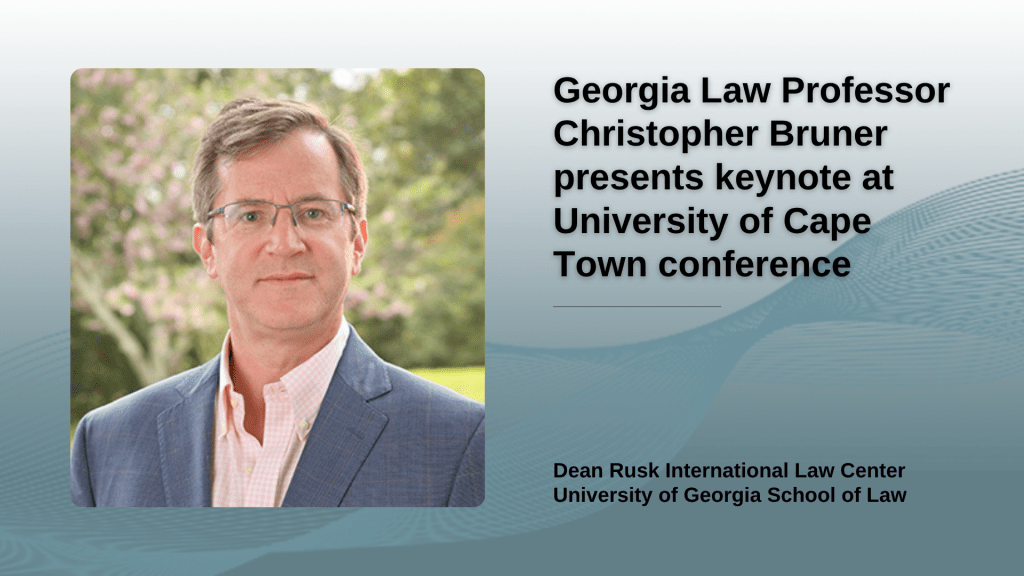
University of Georgia School of Law Professor Christopher Bruner presented a keynote address at the Inaugural Corporate Securities Regulation Conference hosted by the Department of Commercial Law of the University of Cape Town (South Africa) Faculty of Law in April.
The conference was co-sponsored by Strate, the central securities depository for South Africa. Another keynote address was presented by André Nortjé, Chief Executive Officer of Strate, and following their keynotes Bruner and Nortjé participated in a conversation moderated by Professor Dennis Davis, Chair of the Companies Tribunal of South Africa.
Bruner is the Stembler Family Distinguished Professor in Business Law at the University of Georgia School of Law and serves as a faculty co-director of the Dean Rusk International Law Center.
Global Externships Overseas (GEO), 4-12 week placements for rising second- and third-year law students in private-sector and public-sector law placements around the world.
Global Governance Summer School
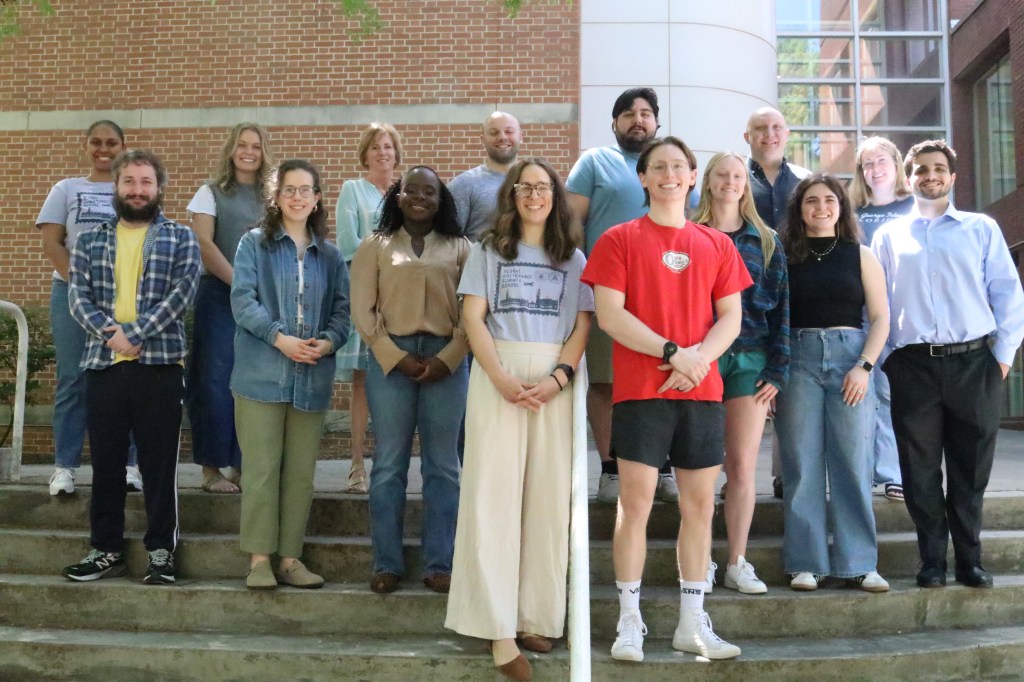
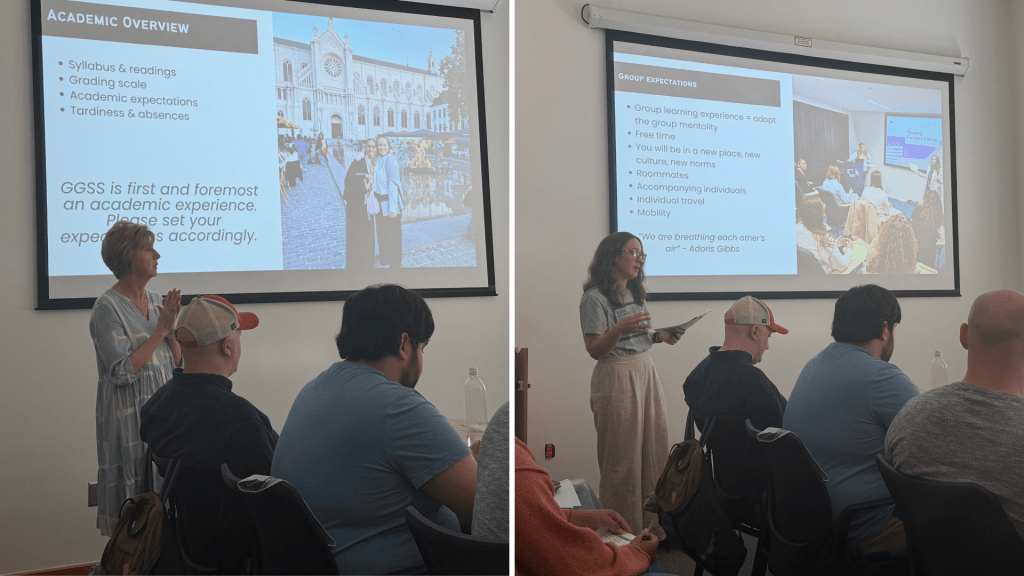
This year’s Global Governance Summer School will focus on comparative environmental law and sustainability. It is set to begin in mid-May, when students will travel to two cities in Belgium for a week of site visits and lectures led by Georgia Law’s Professor Catherine Clutter, as well as professors from partner university KU Leuven‘s Centre for Global Governance Studies. The first week of this for-credit course also will include professional development briefings at the North Atlantic Treaty Organization (NATO), the European Commission, the European Economic and Social Committee, the European Committee of the Regions, the European Council, private law firms, and NGOs.
Then, programming shifts to The Hague, Netherlands, where Clutter will lead briefings at the International Criminal Court, the International Court of Justice, the Permanent Court of Arbitration, and at several embassies and consulates. Center director Sarah Quinn will provide logistical assistance throughout the program.
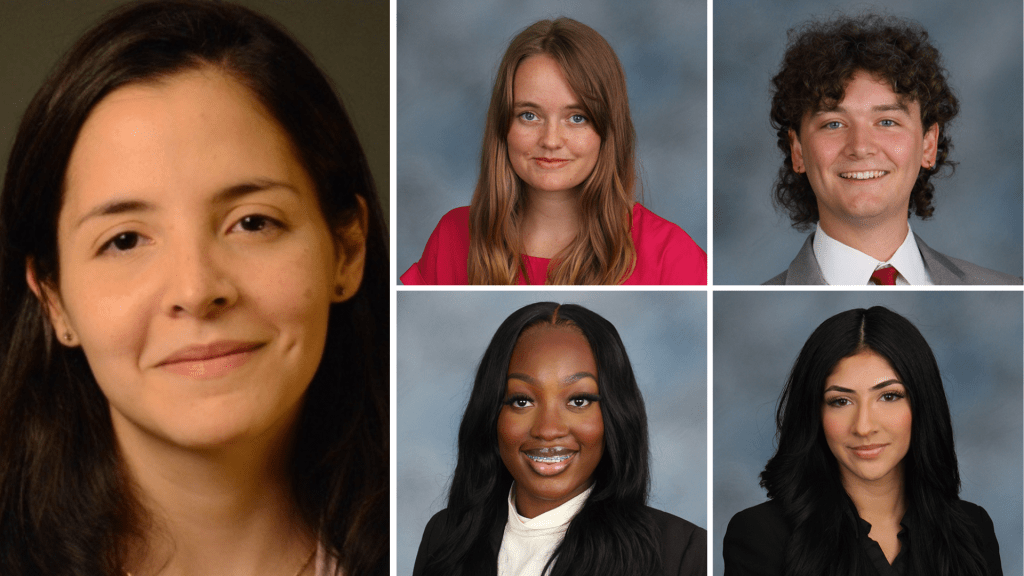
A total of twelve students will participate in this year’s summer school, including:
Our Center’s Global Externship Overseas initiative, overseen by Center Associate Director Taher Benany, offers Georgia Law students the opportunity to gain practical work experience in a variety of legal settings around the world. This summer, three students have opted to combine the GEO opportunity with their participation in GGSS: David Bekore, Keith Felix, and Margaret Haisty.
A total of nineteen Georgia Law students will pursue GEOs in practice areas such as privacy and technology law, environmental law, international arbitration, EU competition, intellectual property, corporate law, international humanitarian law, and human rights law.
This year’s GEO class includes thirteen private-sector placements:
David Bekore (J.D. ’28): GreeCo SA; Buenos Aires, Argentina
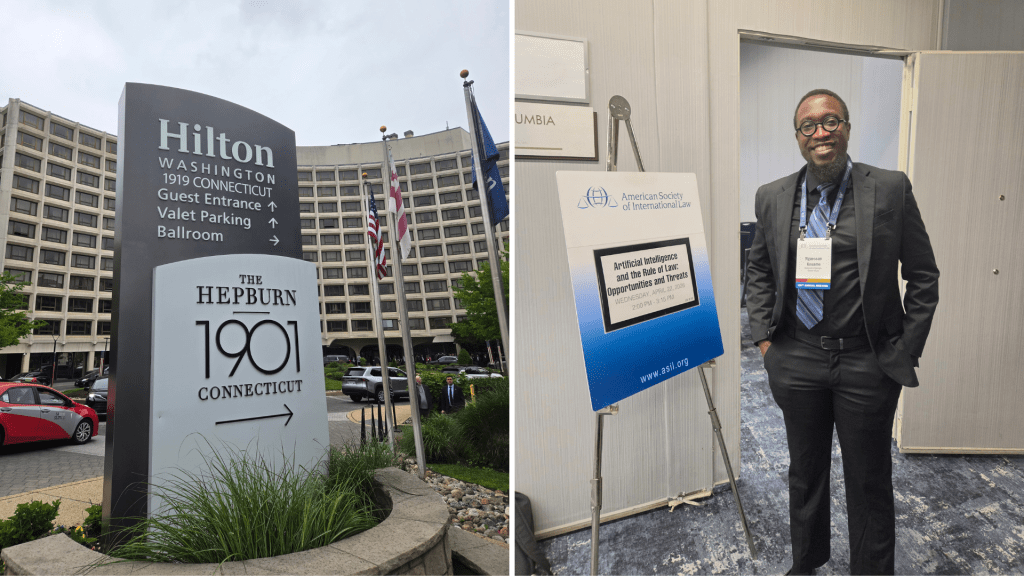
This year, University of Georgia School of Law student N’Guessan (“Clement”) Kouame (LL.M. ’24, J.D. ’26) attended the 120th Annual Meeting of the American Society of International Law in Washington, D.C. This year’s ASIL Annual Meeting convened with the theme “Advancing and Defending The Rule of Law.”
Kouame received a Louis B. Sohn Professional Development Fellowship to support his attendance of this conference. Awarded by the law school’s Dean Rusk International Law Center, Sohn Fellowships enable students to attend professional development opportunities related to international law.
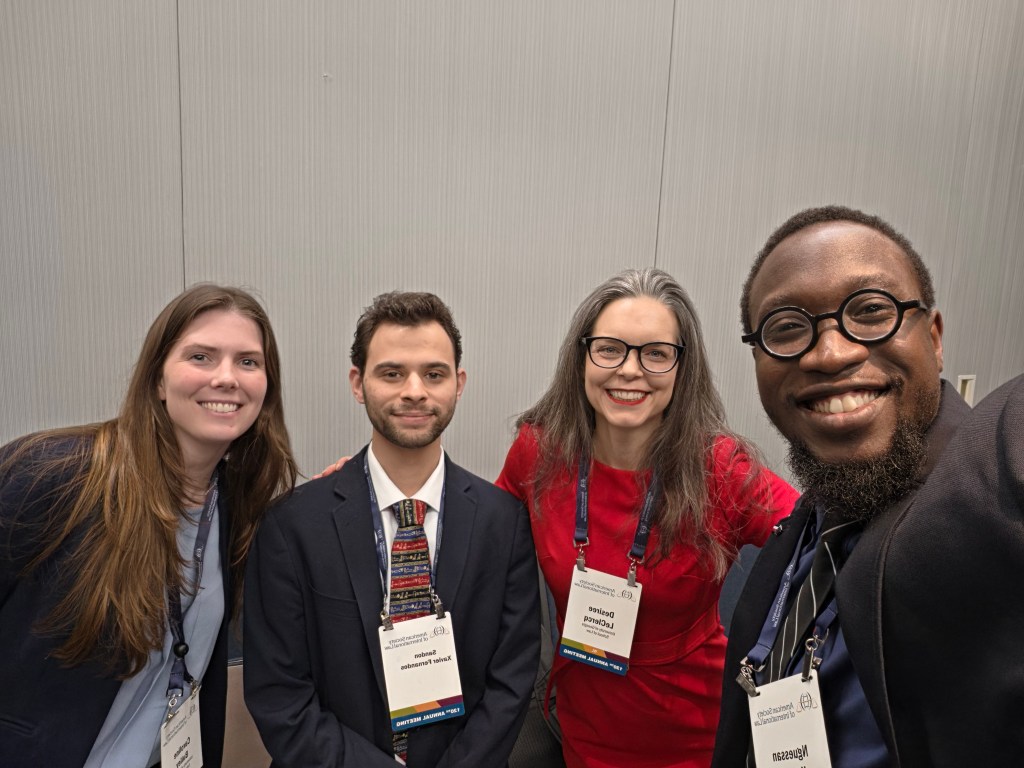
Kouame attended numerous panel discussions addressing a range of topics in international law. He met with D.C.-based Georgia Law alumni, including Caroline Bailey (J.D. ’24) and Sandon Fernandes (J.D. ’24), both pictured above with Georgia Law Professor Desirée LeClercq, also in attendance.
Reflecting on the conference, Kouame stated:
My favorite panel discussion was the one titled “The Great AI Race: Whiter Human Rights in the AI Supply Chain.” This topic is timely and critical for the future of humanity, as AI R&D affects all human beings by harming the environment and infringing on human rights. Attending the ASIL Annual Meeting deepened my understanding and perspective on human rights protection and the use of forced and child labor from the global south in multinationals’ supply chains for AI R&D.
To read prior posts about Georgia Law students using Sohn Fellowships to attend professional development opportunities, please click here and here.
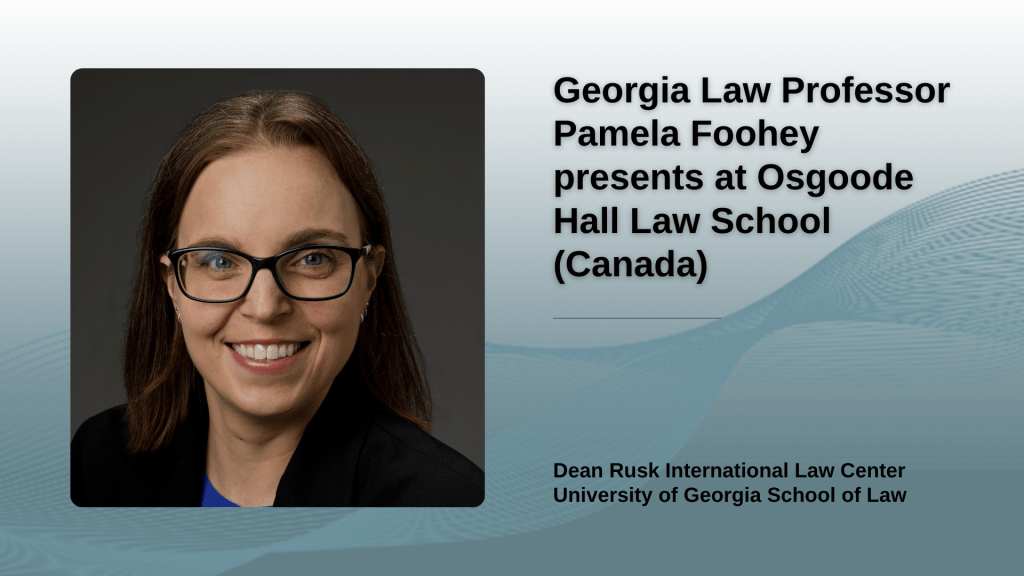
Organized by Stephanie Ben-Ishai, Full Professor, York University Distinguished Research Professor, and York Research Chair in Law, Finance and Debt, the panels “…invite[d] Canadian scholars, policymakers, and practitioners to rethink the role of bankruptcy and insolvency law not just as technical legal regimes, but as critical indicators of how modern societies allocate risk, security, and dignity in everyday economic life.”
Foohey joined Georgia Law faculty as a full professor in 2024. She currently holds the Allen Post Professorship and teaches Bankruptcy, Secured Transactions and a Bankruptcy Practice Seminar. Specializing in bankruptcy, commercial law, consumer finance and business law, Foohey’s scholarship primarily involves empirical studies of bankruptcy and related parts of the legal system. She presently is a co-investigator on the Consumer Bankruptcy Project, a long-term research project studying persons who file bankruptcy. Data from this project serve as the basis of her co-authored book Debt’s Grip: Risk and Consumer Bankruptcy (University of California Press, 2025). Her work in business bankruptcy focuses on nonprofit entities, with a particular emphasis on how religious organizations use bankruptcy. Data from this project are included in her forthcoming book Forgive Us Our Debts: How Black Churches Use Bankruptcy to Survive(University of Chicago Press, September 2026).
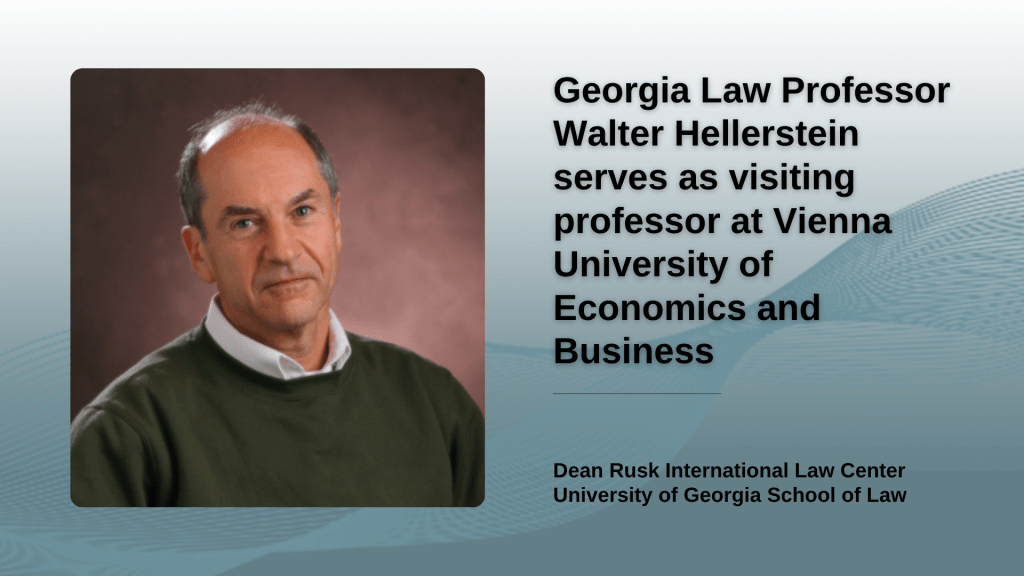
University of Georgia School of Law Professor Emeritus Walter Hellerstein served as a visiting professor teaching a three-day mini-course on U.S. state taxation of foreign taxpayers at the Vienna University of Economics and Business in Austria during March.
Hellerstein is the Distinguished Research Professor & Francis Shackelford Distinguished Professor in Taxation Law Emeritus. He is a recipient of the National Tax Association’s Daniel M. Holland Medal for outstanding lifetime contributions to the study and practice of public finance, is widely regarded as the nation’s leading academician on state and local taxation. He has authored numerous books, textbooks, and law review articles, and has practiced extensively in the field. Hellerstein is currently a Visiting Professor at the Vienna University of Economics and Business, and he remains actively involved in his scholarship, consulting, and, in particular, his work as an academic advisor to the OECD.
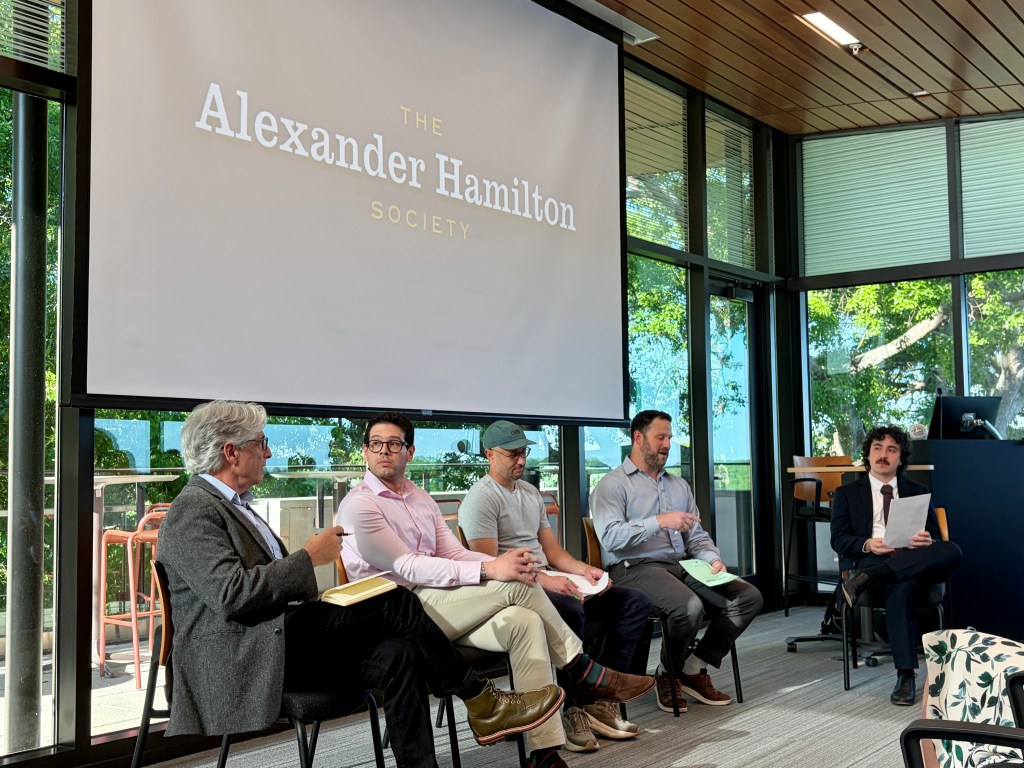
Taher Benany, Associate Director of the University of Georgia School of Law’s Dean Rusk International Law Center, recently participated in an interdisciplinary panel discussion entitled: “The Iran War: Causes, Costs, & Future.” Organized by UGA’s chapter of The Alexander Hamilton Society (AHS), a non-partisan, student-led organization promoting debate on foreign policy.
Panelists included Jeffrey D. Berejikian, a Josiah Meigs Distinguished Teaching Professor at the University of Georgia, and Professor in the Department of International Affairs; Tim Samples, Professor of Legal Studies at the Terry College of Business; and Eli Sperling, Israel Institute Teaching Fellow at the School of Public and International Affairs. The panel was moderated by Wells Benjamin, Vice President of AHS. They examined the causes of the war, assessed its consequences both for humans and foreign policy strategy, and explored future directions for the Middle East and the rules-based international order.
Benany joined the Rusk Center in 2025. In this role, among other things, he oversees global international training programs as well as plans and implements international law research initiatives, events, and conferences. He acted as a public international law lecturer at the British University in Egypt and served as a public international law expert for the European Union Agency for Criminal Justice Cooperation. He also served as a legal fellow for the United Nations Human Rights Council and advised an African state on the Council.
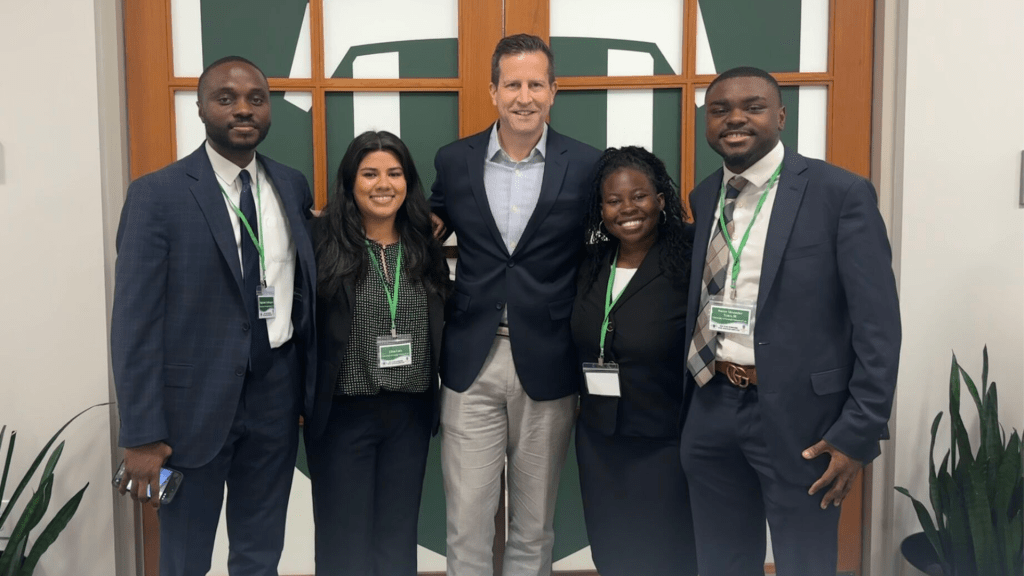
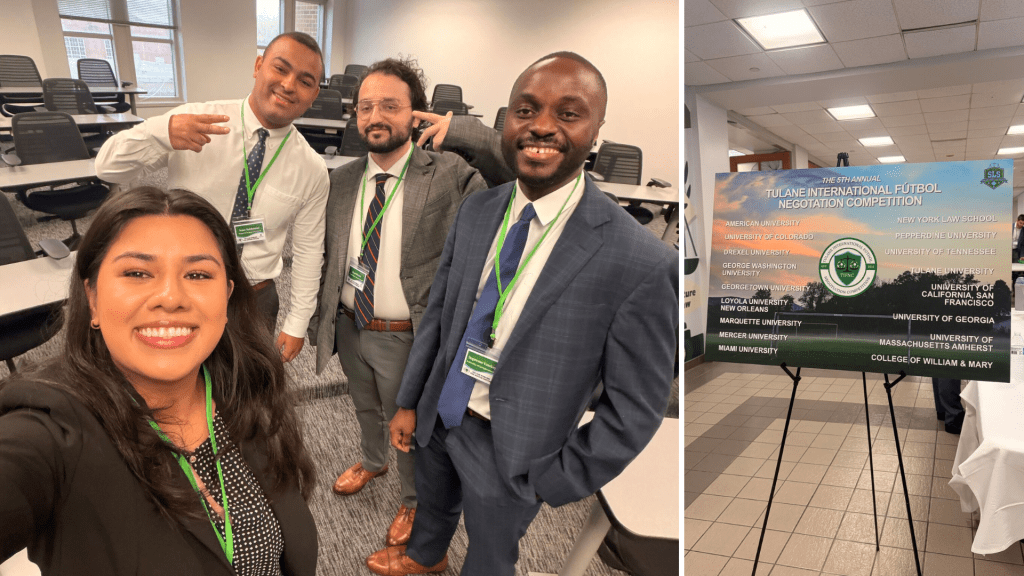
The competition is a “simulated contract negotiation competition using real-life international soccer/fútbol clubs and players in hypothetical scenarios.”
Both teams were coached by Sports Law Program Director Myles B. Solomon and Negotiation Team Coach Noël Couch (J.D. ’18).
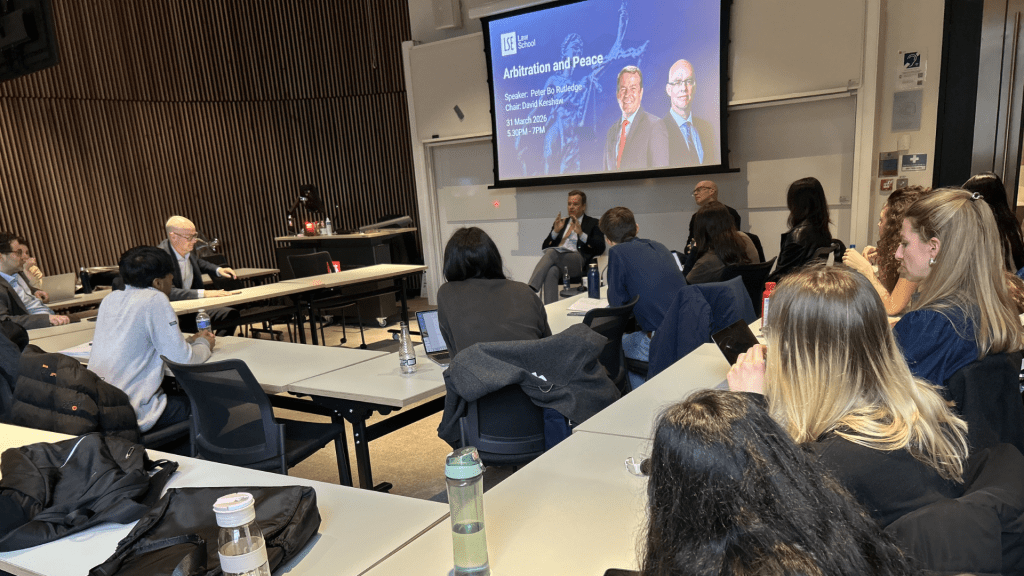
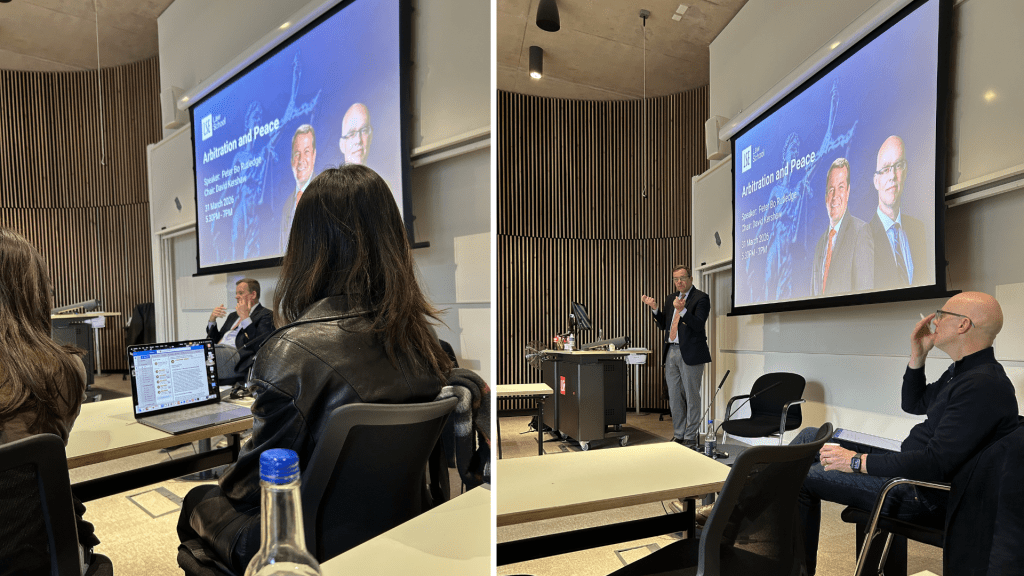
Peter B. “Bo” Rutledge holds the Talmadge Chair of Law. From 2015 through 2024, he served as dean of the University of Georgia School of Law. He is the author of the book Arbitration and the Constitution and co-author with Gary Born of the book International Civil Litigation in United States Courts. His works have been published by the Yale University Press, the Oxford University Press and the Cambridge University Press, and his articles have appeared in a diverse array of journals such as The University of Chicago Law Review, the Vanderbilt Law Review and the Journal of International Arbitration. He also regularly advises parties on matters of international dispute resolution (litigation and arbitration).
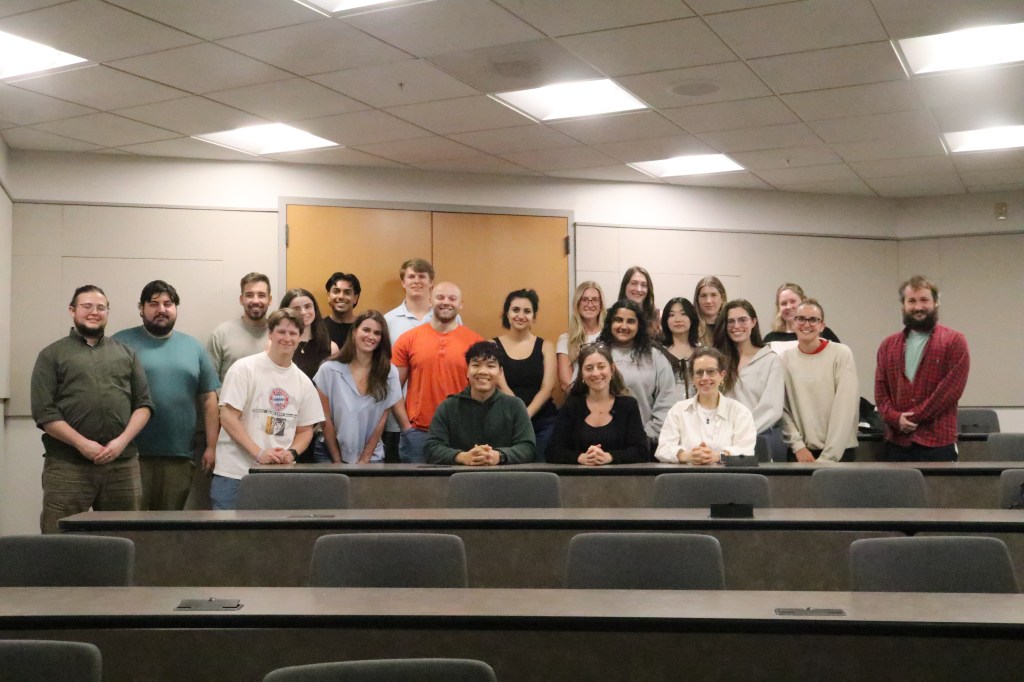
Last month, the University of Georgia School of Law hosted its fourth annual International Law Hackathon, led by Professor Natalia Pires De Vasconcelos.
The International Law Hackathon is one-credit mini-course on a selected topic in international law that concludes with an intensive, day-long collaborative exercise. The theme of this year’s hackathon was the international human rights of incarcerated people, with particular emphasis on their right to health and the prohibition of cruel, inhuman, or degrading treatment under international law.
Working in five interdisciplinary teams of four, students spent the morning developing creative and persuasive solutions to a complex scenario involving the death of an incarcerated woman following delays in emergency medical care in a U.S. prison. Teams were tasked with designing legal and advocacy strategies to seek accountability, obtain reparations, and promote broader structural reforms, drawing on both international human rights treaties and norms (such as the Mandela Rules, the Bangkok Rules, and the ICCPR) as well as U.S. Eighth Amendment doctrine.
In the afternoon, teams presented their proposals to a distinguished panel of four judges with expertise spanning international law, prison studies, criminal law, and legal theory:
Taher S. Benany, Associate Director, Dean Rusk International Law Center, Georgia Law
Judges evaluated presentations based on the teams’ ability to mobilize legal frameworks, engage human rights principles, and propose innovative and transformative solutions that make international human rights language relevant to incarcerated people’s rights cases in the United States. The presentations were of exceptionally high quality, and the judges noted the depth, creativity, and rigor across all teams. In fact, selecting first and second place proved challenging: when asked individually, each judge identified different top teams, and all five teams were recognized as top choices by at least one judge.
After thoughtful deliberation, the judges selected the top two teams:
The hackathon showcased students’ ability to think across disciplines, engage critically with legal tools, and address urgent questions surrounding health, accountability, and the rights of incarcerated populations. The creativity and rigor demonstrated by all participants made this year’s event a great success.
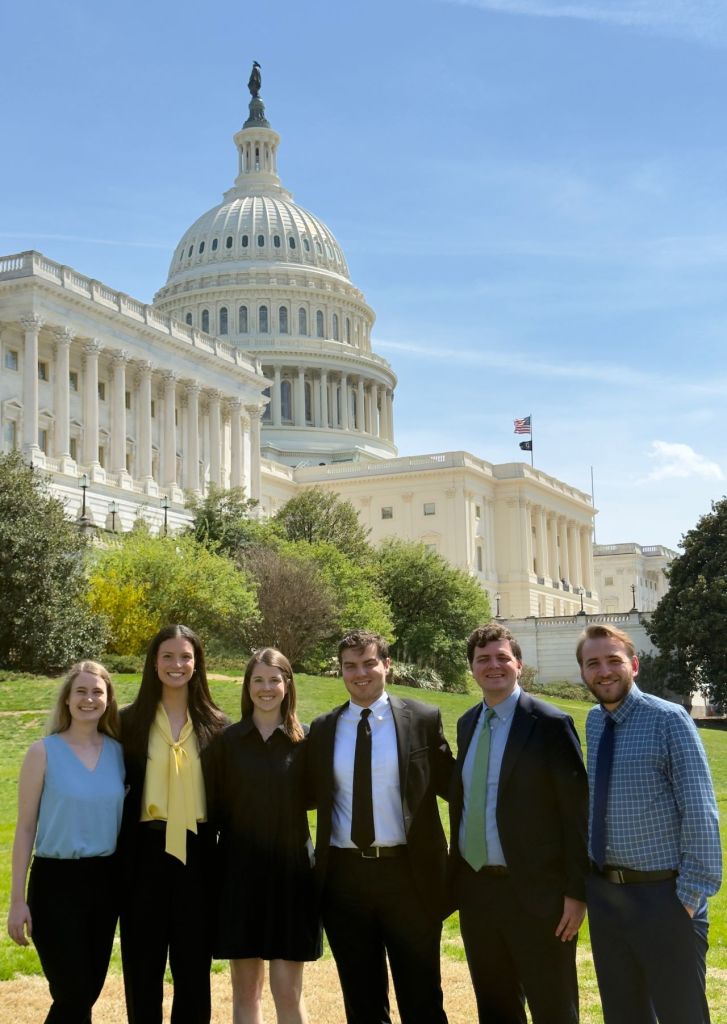
Earlier this month, the University of Georgia School of Law finished in the top half of the international rounds and in the top 10% worldwide of the 2026 Philip C. Jessup International Law Moot Court Competition. Their memorial ranked in the top third at the international rounds. This year’s team included Georgia Law students Emma Hopkins (J.D. ’27), Jacob Levy (J.D. ’27), Lionel Rubio (J.D. ’27), Nathan Whisamore (J.D. ’27), and Morgan Pfohl (J.D. ’26). Jessup is the world’s largest moot court competition, bringing together students from across the globe to engage with pressing international legal challenges.
Georgia Law student Marion Kronauge (J.D. ’26) served as a student coach, while Caleb Grant (J.D. ’23) served as the alumni coach. Taher Benany, Associate Director of the Dean Rusk International Law Center, also served as a coach for the team.
The Jessup competition is the world’s largest moot court tournament that typically fields teams from roughly 800 law schools in 100 countries and jurisdictions around the globe. Georgia Law’s past performances in Jessup competitions can be found here.

 exchange of notes